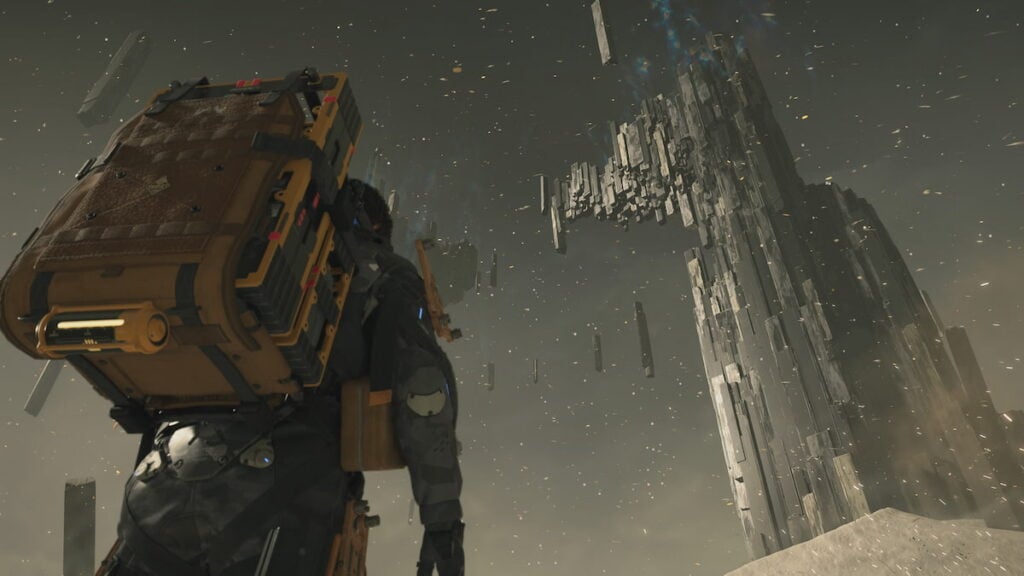
Death Stranding 2: On the Beach is an innovative and therapeutic adventure that builds upon the original game’s bold premise. While the first Death Stranding didn’t completely engage me from a gameplay perspective, I was still impressed by its adventurous narrative and Hideo Kojima’s characteristic storytelling filled with unconventional concepts.
The first installment earned the moniker of a «walking simulator» for good reason, as there were times it felt more like a laborious task than an exciting quest. Traversing rough landscapes with heavy supplies often gave the impression of a chore rather than an engaging challenge, compounded by the lurking threat of invisible BTs that added more stress than enjoyment.
Death Stranding 2: On the Beach rectifies these issues with clever, practical improvements, all while maintaining the core qualities that the game’s fanbase cherishes. The outcome is a more satisfying experience, underpinned by a narrative that’s compelling enough to be retold countless times. You reprise the role of Samuel Porter Bridges, a porter in a world ravaged by a pandemic, where people remain indoors, limited by the danger of timefall rain and BTs causing voidouts. Porters are humanity’s last hope, delivering essential supplies.
A grander, more empathetic approach that stirs emotions
As I delved into Death Stranding 2: On the Beach, I was completely captivated by the breathtaking landscapes that seamlessly blended cinematic visuals and gameplay. Even after 40 hours of playtime, I found myself repeatedly using the photo mode to capture the world’s vibrancy, much to the chagrin of protagonist Sam who has a busy schedule. The Decima engine ensured a stable frame rate on my standard PS5, showcasing the game’s impressive polish.
The DualSense haptic feedback is among the best I’ve experienced in ages; while many PlayStation titles incorporate it, each cinematic moment and subtle environmental change during package deliveries enhances the tension in gameplay. You now face dynamic challenges like earthquakes, avalanches, sandstorms, and flash floods, enriching the thrill of delivering your cargo.
A long-time fan of WOODKID’s music, I found the soundtrack in this sequel heightens the journey’s uniqueness and memorability. The music is cleverly interwoven with the gameplay, swelling during lengthy traverses and trailing off as you approach BTs or enemy zones, amplifying the tension. Moreover, there’s now a portable music player allowing you to personalize your playlist for your journeys. The emotionally resonant tracks transform even the most mundane passages into something unforgettable.
The voice acting is notably strong across the board, with remarkable performances from Troy Baker as the antagonist Higgs and Luca Marinelli as Neil Vana, both bringing immense versatility, energy, and emotional depth. Each character within the DHV Magallan has a meaningful narrative that deepens your understanding of their hardships and ultimately fosters connection.
Sam’s journey takes him from Mexico to Australia, connecting people to the Chiral Network and giving humanity a fighting chance. Without revealing too much, the storyline, infused with Kojima’s signature twists, offers the most emotional and exhilarating gameplay experience I’ve had since The Last of Us, leaving me in reflection as the credits rolled.
Throughout the experience, I felt a myriad of emotions–I smiled, laughed, gasped, cried, and occasionally sat in bewilderment. Death Stranding 2 engages players deeply, with emotional peaks and valleys that only a Kojima narrative can deliver. Unlike the first installment, this story flows more clearly, with intricate layers that encourage players to absorb and interpret at their own pace.
Side quests are engaging with diverse characters
Connecting Australia to the Chiral Network might seem reminiscent of the previous game’s U.S. journey, but the enhanced route-planning system revolutionizes the experience. Each quest unlocks a detailed map, allowing you to strategize your path. You can opt for a longer, safer delivery route or a risky shortcut through BT-ridden areas, making every journey feel personal and shaped by your decisions.
I found it challenging to get excited about side quests in the first Death Stranding, but the sequel lends clearer and more rewarding progression. Completing side quests and retrieving lost cargo strengthens ties with locations, helping you acquire resources for improved equipment, road restorations, and plans aimed at enhancing your survival. One early quest from a veteran tasked me with retrieving a suitcase from a BT-infested zone, and accomplishing it rewarded me with a sniper rifle that proved essential for the remainder of my journey.
The Australian landscape boasts a wealth of diverse characters, making each visit to a new location enjoyable as you learn about their significance in the area. I was especially surprised to encounter famed Indian director S. S. Rajamouli and his son in an icy settlement, alongside several other intriguing personalities. One of my favorites involved rescuing animals from forest fires and later witnessing their rehabilitation.
The satisfaction of likes and community collaboration
One of my preferred aspects of Death Stranding 2 is the system of earning likes and the fulfilling sensations that accompany assisting fellow porters by constructing facilities for them. The game instructs you on building various structures to aid other porters. As time progresses, you realize how vital these structures–such as generators and watchtowers–are for your advancement and for other porters on similar missions.
Contributing resources to outposts for road repairs eases the journey for others while also netting you likes and rewarding notifications as players make use of your structures. The satisfaction of rescuing someone from BTs using a Timeshelter or scouting enemy strongholds with a Watch Tower is equally gratifying. The sequel carefully maintains this social aspect–it feels wonderful to know you’ve made a difference.
However, I found the process of entrusting cargo to other porters more of a convenient «empty your inventory» mechanism rather than a genuine community effort. Additionally, it can be frustrating to lose cargo when the DHV Magallan jumps and leaves items behind. Though you can manually store goods in a private locker, I wish the game offered that functionality automatically.
Skip boss fights? I’d prefer not to.
I chuckled upon discovering the option to skip boss battles. While presumably an accessibility feature, the game provides ample grenades and rocket launchers to handle even the most formidable enemies, rendering the option somewhat redundant.
In this era of genre-defining Soulslike games, the thrill of conquering massive bosses is cherished by players. While difficulty options support players who may struggle, the ability to skip boss encounters seems excessive. The combat against Neil Vana showcases some of the most visually striking and innovative fights I’ve seen, and I would hate for anyone to miss out on the full experience.
The refined combat mechanics offer a broad array of grenades and strategies for tackling BTs and Armed Survivalists while working to connect Australia to the Chiral Network. It would be a shame not to utilize these mechanics fully. My standout item was the EX Capture Grenade, which enables you to ensnare a BT and turn it against your adversaries.
9.5
Death Stranding 2: On the Beach review
Kojima showcases his mastery once again in Death Stranding 2: On the Beach–a beautifully crafted, captivating, and addictive experience that compels you to refine each delivery.
Pros
- A compelling and easily understandable narrative with classic Kojima twists.
- A stunning and vibrant world that seamlessly combines cutscenes and gameplay.
- Outstanding voice performances, particularly from Troy Baker and Luca Marinelli.
- A memorable, moving soundtrack featuring WOODKID, effectively integrated into the gameplay.
- In-depth route planning and a variety of playstyles provide depth to delivery tasks.
- Side quests are fulfilling, with notable progression and distinctive characters.
- Optimized performance, featuring a stable frame rate and impressive haptic feedback on PS5.
- Engaging community-oriented features, including likes, collaborative structures, and rebuilding roads.
Cons
- Risk of losing cargo when moving away from your vehicle can feel unnecessarily punitive.
- The option to skip boss battles undermines the excitement of these encounters.
- May still be perceived as slow-paced by those who found the original’s delivery-focused gameplay less enjoyable.
- While it’s more accessible, it may not appeal to everyone as the previous game did.
A copy of this game was provided for review. Reviewed on PS5.