Esports has grown far beyond a hobby for video game enthusiasts. Today, it is a global industry featuring professional teams, international tournaments, multi-million-dollar prize pools, and millions of fans around the world. As competitive gaming continues to expand, more people are becoming interested in how esports works and why it has become one of the fastest-growing forms of entertainment.
In this guide, CyberSport explains what esports is, how it started, how professional competitions work, and why millions of players and fans follow the industry every year.
What Is Esports and How Did It Start?
Esports, short for electronic sports, is a form of competitive video gaming where professional players and teams compete against each other in organized tournaments. Unlike casual gaming, esports focuses on skill, strategy, teamwork, and consistent performance. Players spend years practicing, analyzing opponents, and improving their gameplay to compete at the highest level.
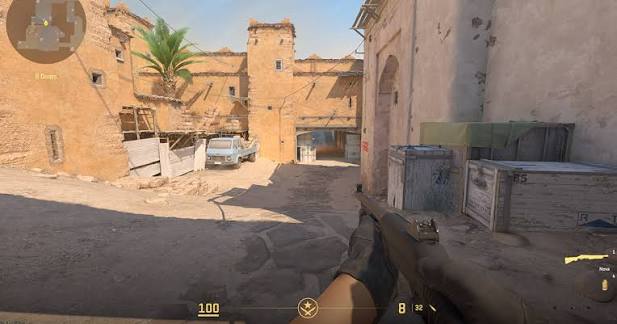
The history of esports dates back to the 1970s, when some of the first video game competitions were held. However, the industry began to grow rapidly in the late 1990s and early 2000s with the rise of online multiplayer games and faster internet connections. Titles such as StarCraft, Counter-Strike, and Warcraft III helped establish competitive gaming as a global phenomenon.
Today, esports includes hundreds of professional tournaments every year, with millions of viewers watching matches online and in arenas. What started as small local competitions has evolved into an international industry supported by game developers, tournament organizers, sponsors, and streaming platforms.
How Does Esports Work?
Esports is built around competitive games where professional players represent organizations and compete in leagues and tournaments throughout the year. Each game has its own rules, but the goal is always the same–to outperform the opposing team or player through skill, strategy, and teamwork.
Some of the most popular esports titles include Counter-Strike 2, Dota 2, League of Legends, VALORANT, Rocket League, and Apex Legends. These games belong to different genres, such as first-person shooters (FPS), multiplayer online battle arenas (MOBA), and battle royale games, attracting diverse audiences and competitive scenes.
Most tournaments begin with qualifiers, where teams earn a place in the main event. The competition then moves through a group stage or league format before reaching the playoffs and the grand final, where the champion is crowned. Major international events often feature large prize pools and attract millions of online viewers, making them some of the biggest spectacles in modern gaming.
Can You Make Money in Esports?
Yes, esports offers a wide range of career opportunities beyond simply competing in tournaments. Professional players can earn money through salaries, tournament prize winnings, sponsorships, streaming, and content creation. Top players often combine several income sources, making esports a full-time profession.
The industry also relies on many specialists behind the scenes. Coaches, analysts, managers, referees, commentators, event organizers, graphic designers, marketers, and broadcast production teams all play important roles in keeping the esports ecosystem running.
As esports continues to grow, more companies are investing in competitive gaming, creating new jobs and business opportunities. Whether you want to become a professional player or work behind the scenes, the industry offers multiple career paths for people with different skills and interests.
Conclusion
Esports has come a long way from small local competitions to a global industry that brings together millions of players and fans worldwide. Today, it is much more than competitive gaming–it is a professional ecosystem with major tournaments, successful teams, and a wide range of career opportunities.
If you’re new to esports, the best way to get started is by watching major tournaments, exploring popular game titles, and following your favorite teams or players. Whether you dream of becoming a professional player, working behind the scenes, or simply enjoying exciting matches, esports offers something for everyone and continues to grow every year.