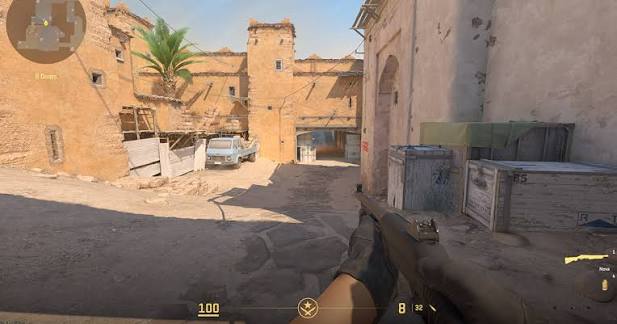
The map pool plays a major role in Counter-Strike 2, and Premier Season 4 is no exception. Players must understand which maps suit their playstyle, team composition, and strategies.
In this article, the Cybersport publication will explore the most popular CS2 maps in Premier Season 4 and explain what makes each one stand out.
CS2 Premier Season 4 Map Pool
Premier Season 4 features a competitive map pool that gives players several different styles of gameplay to choose from. Each map has its own layout, tactics, and requirements, meaning teams often build their strategies around their strongest locations.
The Season 4 pool includes Mirage, Inferno, Nuke, Ancient, Anubis, Dust II, and Overpass. The selection also brought a change to the rotation, with Anubis replacing Train, giving players a different tactical environment to master.
The variety of maps makes the veto phase especially important. Teams can remove locations they are less comfortable with and leave a map that better matches their strengths.
Most Popular Maps in Premier Season 4
Mirage
Mirage remains one of the most popular maps in Counter-Strike 2. Its balanced layout gives both teams plenty of opportunities to use different strategies, while the map is also relatively easy to learn.
Its popularity comes from the combination of simple mechanics, familiar positions, and a wide range of tactical options. Mirage is suitable for both solo players and coordinated teams, making it a common choice in Premier matches.
Inferno
Inferno is another popular choice in Premier Season 4, especially for players who enjoy tactical and utility-heavy rounds. Control of key areas such as Banana can strongly influence how a round develops.
The map also rewards good communication and coordination. Teams need to manage utility carefully, control important choke points, and make well-timed rotations. This combination makes Inferno both challenging and rewarding for coordinated players.
Dust II
Dust II remains one of the most recognizable and frequently played maps in Counter-Strike 2. Its straightforward layout puts a strong emphasis on aiming, positioning, and individual skill.
The map is also relatively easy for new players to understand, while experienced teams can still use a wide range of strategies. This combination helps Dust II maintain its popularity in Premier matches.
Nuke
Nuke is one of the most demanding maps in CS2, requiring strong communication, positioning, and fast rotations. Its unique vertical layout creates more complex tactical situations than on many other maps.
Players need to understand the connection between the upper and lower bombsites and react quickly to changes in the round. Nuke can be especially effective for coordinated teams that are comfortable with structured strategies and precise utility usage.
Anubis and the New Season Meta
Anubis became part of the Premier Season 4 map pool after replacing Train. Its layout creates many opportunities for aggressive plays, quick rotations, and coordinated attacks.
The map also requires teams to adapt their utility usage and positioning. For players who are used to the previous map pool, Anubis can offer a different tactical experience and change how teams approach the veto and preparation process.
Which Map Should You Choose in Premier?
Choosing a map in Premier often depends on a player’s experience and preferred style. Some maps reward individual aim, while others require strong communication, utility usage, and coordinated team play.
- Mirage – a balanced choice for players who want a familiar and versatile map.
- Dust II – suitable for players who rely on aim and individual mechanics.
- Inferno – a good option for teams with strong utility and communication.
- Nuke – better suited to coordinated teams that understand complex rotations.
- Anubis – offers a different tactical experience and rewards aggressive, well-coordinated plays.
Ultimately, the best map is usually the one a player or team knows most thoroughly. Familiarity with positions, utility lineups, rotations, and common strategies can make a bigger difference than simply choosing the most popular map.