What is insurance in blackjack? The concept of blackjack insurance is often a topic of heated discussions among players. It seems straightforward at first glance: when the dealer reveals an Ace, players have the option to «insure» their hand against the likelihood of the dealer having a blackjack.
Typically, if players opt for insurance and the dealer’s hidden card turns out to be a ten-value card, a natural blackjack is created, resulting in a 2:1 payout on the insurance bet. Conversely, if the dealer does not have a blackjack, the insurance bet is forfeited immediately. This simple exchange divides opinions at the table–some view it as a wise precaution, while others see it as a drain on their funds. Grasping its mechanics differentiates casual players from strategic ones.
Understanding Insurance in Blackjack
Insurance in blackjack is an optional side wager available to players when the dealer’s face-up card is an Ace. It serves as a bet that the dealer’s hole card may be a ten-point card, thereby completing a blackjack. This bet is made independently of the main hand and is usually set at half of the player’s initial stake.
If the dealer’s hidden card is a ten, jack, queen, or king, the insurance bet pays out 2:1. Therefore, a player who places a $10 insurance bet would receive $20 if the dealer has a blackjack. Should the dealer not have blackjack, the insurance bet is lost, and the game continues normally with the main hand.
The term «insurance» can be misleading, as it does not protect the entire value of the player’s hand; instead, it’s merely a wager on the dealer’s potential blackjack. To truly understand insurance in blackjack, you must recognize that it’s more about assessing probabilities than providing protection.
Strategic Considerations Regarding Insurance
Strategic thought is crucial when considering insurance, as opposed to impulsive decisions. Here’s how most players typically decide during a game:
- Adhere to basic strategy: Mastering the foundational strategies of blackjack provides a long-term decision-making framework. Guides reveal that insurance generally does not enhance chances but instead increases the house edge.
- Disregard insurance unless counting cards: The dealer’s hidden card is a ten-value card about 30 percent of the time, suggesting that the 2:1 payout is statistically weak. Insurance becomes slightly more viable in scenarios involving card counting, where players track the composition of the deck.
- Concentrate on hand strength and game dynamics: Rather than pursuing side bets, experienced players focus on the strength of their own hand, the dealer’s upcard, and appropriate wager sizing. These elements significantly influence overall outcomes compared to side bets.
- Avoid chasing momentary gains: Insurance may appear to offer protection after a few losses, but it often drains players’ funds instead. Sticking to a consistent strategy ensures decisions are grounded in reasoning rather than emotion.
Understanding the Math Behind Insurance Bets
Grasping the mathematics of the insurance bet illustrates why many players choose to forgo it. The payout is 2:1 if the dealer’s hole card is a ten-value card, yet there are sixteen ten-value cards among fifty-one total cards, leading to actual odds of about 8:17, or roughly 31 percent. Thus, insurance typically carries a negative expected value in standard gameplay.
Casinos benefit from this slight edge. The more often players opt for insurance, the more they tend to lose in relation to their main bets. Even players who secure occasional wins usually end up losing back their funds through consistent minor losses.
The edge remains relatively unchanged regardless of whether players are at single-deck or multi-deck tables, though it slightly increases with more decks. The odds are consistent whether in physical casinos or on online platforms.
Insurance Rules and Variations in Blackjack
Insurance is not universally applied; its rules can differ from one casino or format to another. Here’s how these variations typically manifest across different tables:
- Insurance wager limits: Most games allow bets up to half of the original bet, though some variants may round down to the nearest whole chip or credit.
- Dealer peek rules: In European blackjack, the dealer does not check for blackjack until all players finish their turns, which influences how insurance is presented and resolved.
- Payout variations: The standard payout is 2:1, but some localized tables may alter this slightly. Any reduction, such as to 1.5:1, makes the odds even less favorable.
- Differences in deck count: Single-deck games offer the lowest house edge, while multiple-deck games slightly lower the chances the dealer pulls a ten-value card, diminishing insurance’s potential returns.
Knowing these insurance rules allows players to make informed decisions when selecting tables that match their risk preferences.
Insurance in Online Blackjack
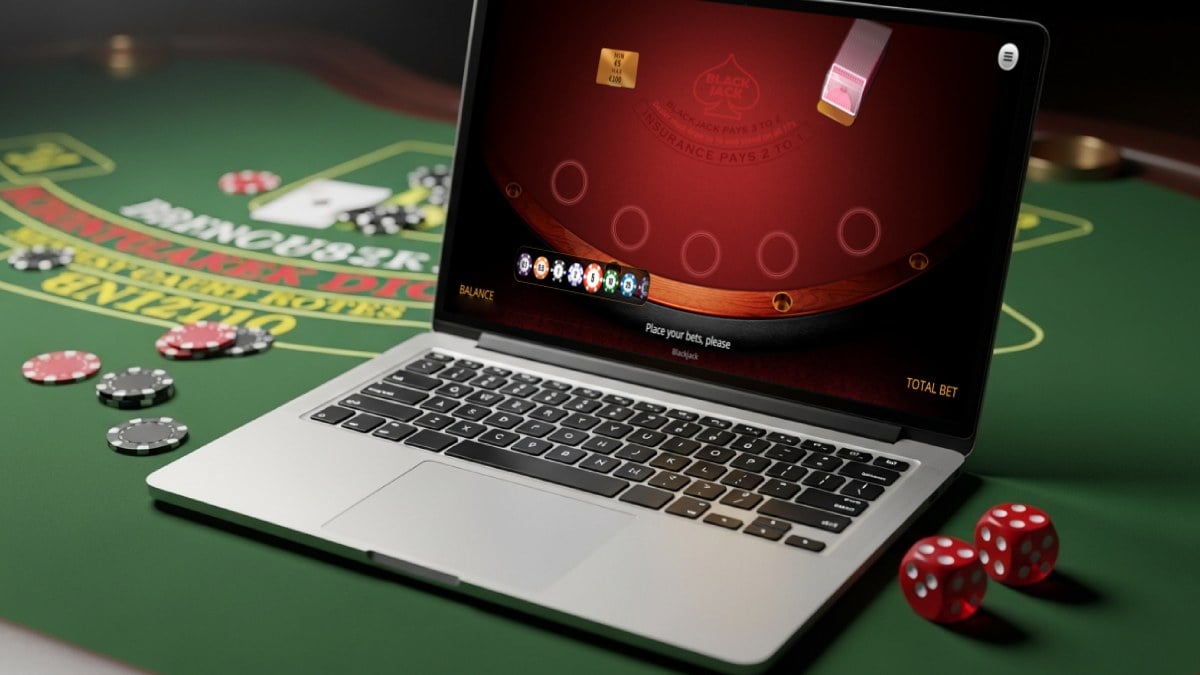
In online blackjack, the insurance functionality closely mirrors that of in-person games. When the dealer’s upcard is an Ace, the online platform prompts players for an optional insurance bet equal to half their main stake. Once a decision is made, the system immediately evaluates the dealer’s hole card to resolve the bet before continuing the hand.
The convenience of online play offers automated handling of rules, payouts, and timing, eliminating potential confusion about procedures. On cryptocurrency blackjack platforms, the insurance option is available, with transactions processed through crypto wallets instead of traditional payment methods. Many of these sites also provide transparent information regarding house edges, enabling players to assess the true costs of side bets.
No matter the currency used, the foundational mathematics remains unchanged. The 2:1 payout continues to fall short of the actual odds of the dealer obtaining a blackjack, making it a situational option rather than a guaranteed benefit.
Is Insurance in Blackjack a Good Bet?
The straightforward answer is that insurance is seldom a wise choice for the majority of players. Over time, the anticipated loss from utilizing this option outweighs the sporadic wins. Statistically, players will lose the insurance bet about two-thirds of the time–a high cost for a fleeting illusion of safety.
Nevertheless, there are rare circumstances. Skilled card counters who are aware of high-card frequencies might strategically apply insurance as part of an advanced strategy, but the opportunity for profitability is limited. For most players, the optimal approach is to reject the insurance offer and concentrate on making sound decisions based on their main hand.
To determine whether insurance in blackjack is worthwhile, one must look beyond individual hand results. Winning an insurance bet can be gratifying, but over many sessions, it generally chips away at your bankroll. The most disciplined players understand that blackjack rewards accuracy and patience over quick-fix solutions. Although insurance may seem protective, mathematically, it functions more as a draining liability than a safeguard.
Making Better Choices
Proficient blackjack choices involve habits that protect your bankroll and clarify your thinking. Here’s how players can refine their approach toward insurance:
- Assess the long-term impact: A solitary win on an insurance bet cannot compensate for the frequent small losses incurred over multiple hands. Steady play prevails over emotional gambling.
- Monitor your spending: Keeping track of results reveals how often insurance costs exceed its benefits. This awareness aids in making less impulsive decisions.
- Select games with clear rules: The most favorable online blackjack platforms showcase information on house edges, payout ratios, and bet limits, assisting players in discerning when the math is in their favor.
- Practice patience: Blackjack favors strategy over instinct. Taking time to analyze hands and resist unnecessary side bets enhances both strategy and discipline.
Common Misunderstandings About Insurance
Many players misapprehend the nature of insurance, viewing it as a means to protect their initial wager. In reality, it operates as a standalone side bet. Winning the main hand does not affect the insurance stake, which may already be lost. The term «insurance» can create a misleading sense of security.
Some believe it is intended for newcomers or those with limited funds, but this is not the case.
Recognizing these misconceptions aids players in understanding insurance for what it is: a gamble based on statistical odds rather than a fail-safe feature. With this understanding, players can focus on the fundamental strategy rather than seeking temporary comfort in side bets.
Conclusion: Playing with Knowledge and Strategy
Comprehending the rationale behind blackjack insurance transforms this optional side bet into a valuable learning opportunity. The choice to accept or decline it provides insights into probabilities, house edges, and emotional decision-making during gameplay. When players analyze how the math plays out, they are less likely to seek temporary security through insurance bets.
Next time the dealer presents an Ace, take a moment to contemplate the underlying mathematics. Consistency and logical reasoning are vital factors in blackjack success, extending beyond this single wager. Whether at a physical table or playing online, having a clear approach to each hand will invariably lead to superior long-term results compared to relying on hypothetical shields.