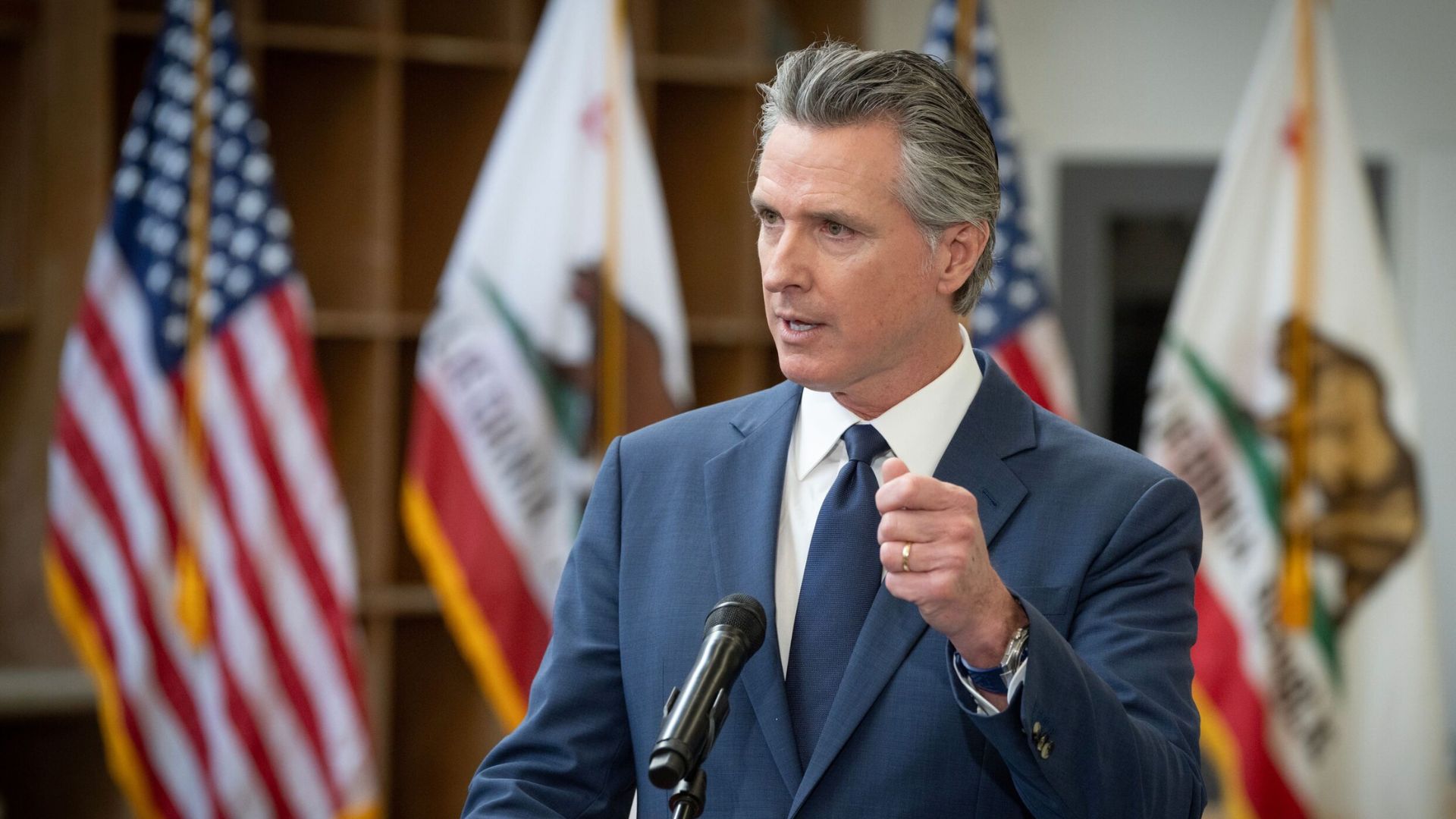
California’s Governor Gavin Newsom has enacted Assembly Bill 831 (AB 831), effectively prohibiting sweepstakes-style casinos and social gaming applications that simulate real-money gambling and sports betting.
This legislation, which was unanimously approved by the California Legislature, is set to be implemented on January 1, 2026. It signals a significant initiative to control unregulated online gambling in the state, which has the largest population in the U.S.
The new law focuses on sweepstakes operators that utilize a dual-currency system involving «gold coins» and «sweepstakes coins» to distribute cash prizes without the need for official gambling licenses.
California joins increasing number of states regulating sweepstakes casinos
California’s move aligns with previous bans in states like Connecticut, Montana, and New Jersey, but its large market presence amplifies its significance in the nationwide efforts to regulate gaming.
In the last year, there has been a noticeable uptick in regulatory actions against sweepstakes casinos, with over 100 cease-and-desist notices sent to operators believed to be breaching gambling regulations.
Prior to the approval of AB 831, the Los Angeles City Attorney Hydee Feldstein Soto had initiated legal proceedings against Stake.us, alleging it was functioning as an illegal gambling enterprise.
This case also involved the streaming platform Kick and various betting suppliers, leading many companies to withdraw from the California market even before the state-wide prohibition.
Regulators have underscored that dismantling supplier networks is a critical strategy to eliminate unlicensed gambling.
Mixed reactions from industry stakeholders regarding the legislation
Although the bill received unanimous support from legislators, it has faced strong opposition from industry organizations and some tribal leaders. The Social Gaming Leadership Alliance (SGLA), a leading critic of AB 831, has expressed concerns that this law will hamper innovation and negatively impact the state’s economy.
«We hoped Governor Newsom would recognize the anti-competitive motives of the well-funded tribes advocating for this bill and choose to veto AB 831. Instead, he opted for an easy but shortsighted approach that undermines choice, innovation, and potential economic benefits,» stated Jeff Duncan, the Executive Director of SGLA.
Research within the industry suggests that prohibiting sweepstakes gaming could eliminate up to $1 billion in annual economic activity and cost the state between $200 million and $300 million in potential tax revenue had the industry been regulated rather than banned.
Several smaller tribal groups, including the Kletsel Dehe Wintun Nation and the Sherwood Valley Rancheria of Pomo Indians, have also opposed the bill, arguing it compromises tribal sovereignty and favors larger casino operators over smaller entities.
Supporters of the legislation, including major tribal gaming companies and state lawmakers, argue that the law is vital for maintaining the integrity of California’s regulated gaming landscape and promoting fair competition.
Legal analysts believe California’s decision could influence other states as they consider how to classify and oversee sweepstakes-based gambling, especially as the sector evolves beyond conventional casino and sports betting frameworks.
With enforcement scheduled to begin in 2026, California’s prohibition indicates a potential end to the unregulated sweepstakes casinos in the U.S.