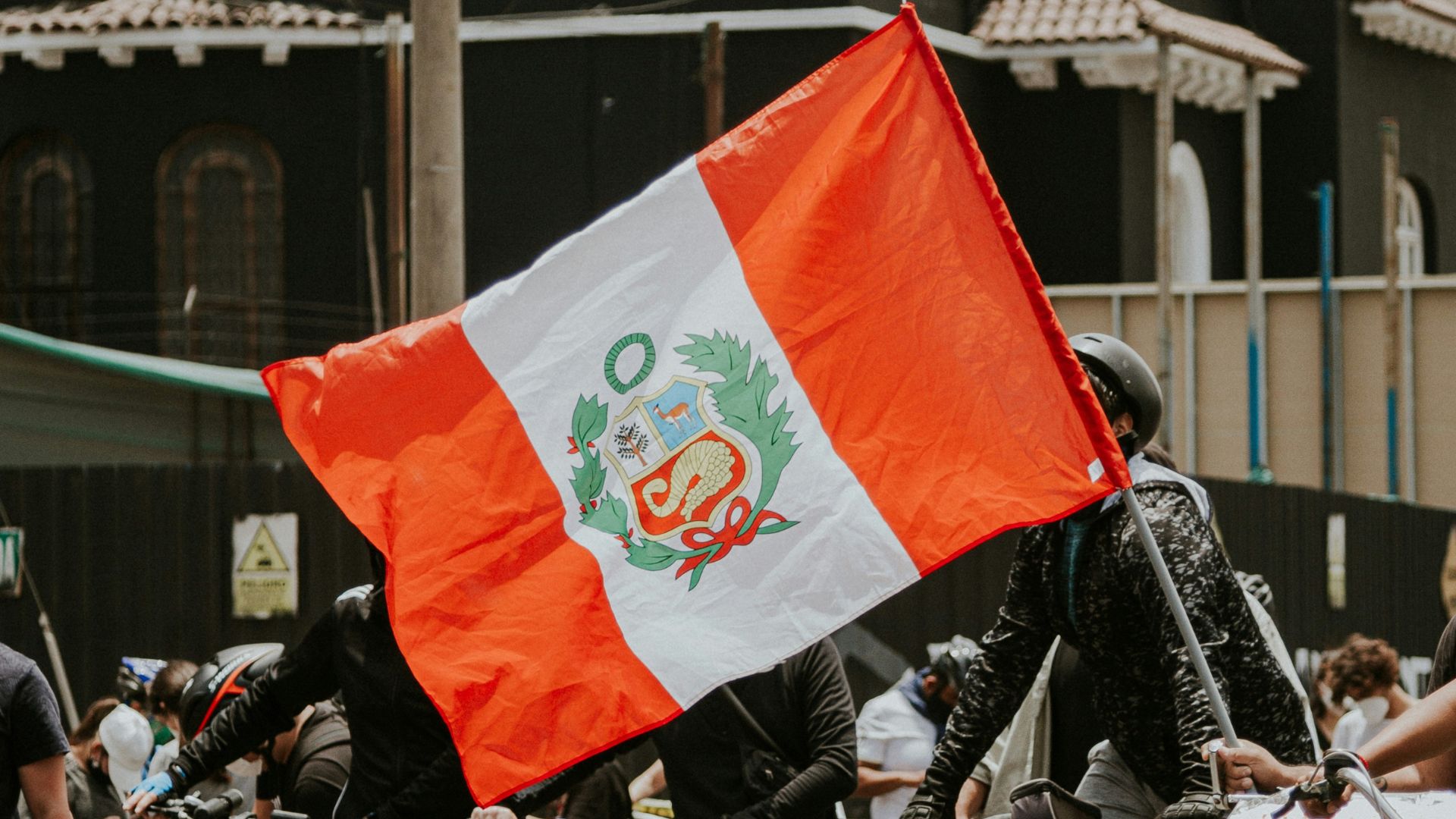
The Peruvian Congress has enacted major changes to the country’s Penal Code, explicitly categorizing match-fixing as a criminal act and placing stricter compliance demands on licensed betting companies.
The new law implements Article 197-A, which introduces explicit criminal penalties for the manipulation of competitive sports. Those who influence the outcome of a sporting event, whether directly or indirectly, can face imprisonment ranging from three to six years.
If the manipulation involves licensed betting operators or their associated brands, the penalties escalate to a range of four to eight years. To bolster measures for ensuring integrity, all licensed bookmakers are now mandated to sign an authorized set of rules against match-fixing, officially approved by senior management.
This legislation applies to a diverse array of individuals within sports, including athletes, referees, coaches, administrators, medical personnel, agents, and officials from clubs or federations, ensuring accountability across all levels of sport.
Government of Peru advocates for integrity amidst challenges in the gambling sector
By integrating these new provisions into the Penal Code, the authorities in Peru aim to mitigate the risks associated with match-fixing that have risen with the swift growth of the country’s betting market. These reforms come just a year after the official launch of Peru’s regulated online gambling market, which is managed by the Ministry of Foreign Trade and Tourism.
The local iGaming sector was initially seen as a significant achievement, as it attracted foreign operators into a licensed system while applying a 12 percent tax on net gambling revenue and enhancing safeguards for consumers and the integrity of sports.
However, political interference has since disrupted this framework. In March, President Dina Boluarte instructed the tax authority, SUNAT, to impose a one percent Selective Consumption Tax (ISC) on bets placed by licensed operators. This measure was introduced without clear instructions regarding turnover calculations or exemptions, prompting backlash from industry participants.
Operators caution that the ISC could have devastating consequences for the regulated industry, as domestic companies would need to absorb the costs while international firms could shift the burden to players. A coalition of sportsbooks has initiated a legal battle, urging Congress to reassess the tax regulations.
This conflict illustrates the mixed status of Peru’s gambling sector. While advancements have been made in regulation and measures to uphold integrity, they are now counterbalanced by tax controversies and political instability.
Nonetheless, by formally recognizing match-fixing as a criminal offense and requiring betting companies to commit to integrity standards, Peru has strongly signaled its determination to combat corruption in sports.