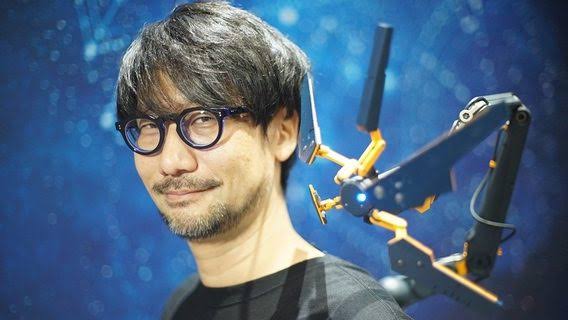
Hideo Kojima turns 63 on August 24, nearly four decades after the original Metal Gear established the foundations for a career that would have a lasting impact on stealth games, cinematic storytelling and the role of individual creators in the games industry.
Kojima’s career took shape at Konami, where Metal Gear launched for the MSX2 in 1987. At a time when action games were largely built around confronting and eliminating enemies, Metal Gear made avoiding them a core part of the experience.
Players were encouraged to observe patrols, stay out of sight and progress without triggering direct combat. That design philosophy became the foundation of the Metal Gear franchise and helped establish conventions that would later define the stealth genre.
The Academy of Interactive Arts & Sciences has recognized Kojima’s role in the development of stealth games as well as his contributions to storytelling and cinematic presentation. He was inducted into the AIAS Hall of Fame in 2016.
Metal Gear Solid’s arrival on the original PlayStation in 1998 expanded those ideas considerably. Moving into 3D gave Kojima more room to combine gameplay with voice acting, directed cinematography and elaborate narrative sequences.
The series also became known for addressing subjects rarely treated as central themes in blockbuster games at the time. Nuclear deterrence, information control, private military organizations, technology and the consequences of warfare repeatedly shaped its stories.
By doing so, Kojima helped establish the idea that the creative identity of a director could become a defining feature of a major video game, years before cinematic, narrative-driven releases became a standard part of the AAA market.
Building a new identity after Metal Gear
After leaving Konami in 2015, Hideo Kojima re-established Kojima Productions as an independent studio. Its first major release was Death Stranding in 2019.
Rather than reproducing the Metal Gear formula under a different name, Death Stranding moved in another direction. Traversal, cargo delivery and rebuilding connections across a fractured world became its central systems.
Its asynchronous multiplayer mechanics allowed players to leave structures, equipment and other forms of assistance for people they might never encounter directly. The approach turned indirect cooperation into a fundamental part of the experience.
Death Stranding also continued Kojima’s long-running interest in bringing games and film talent together. Norman Reedus, Mads Mikkelsen and Léa Seydoux were among its cast, while filmmaker Guillermo del Toro provided the likeness for one of its characters.
Kojima Productions followed the game with Death Stranding 2: On the Beach, which launched for PlayStation 5 in June 2025 before arriving on PC in March 2026.
The sequel revisited Sam Porter Bridges and the series’ central theme of human connection, while questioning whether expanding those connections necessarily produces positive consequences.
Death Stranding has since grown beyond the games themselves. Kojima Productions says the original title has reached more than 20 million players, while the wider franchise is expanding through animation projects including Death Stranding: Mosquito and Death Stranding Isolations, the latter planned for Disney+.
OD and a return to espionage with PHYSINT
Kojima’s post-Death Stranding plans now extend across multiple projects.
OD, developed in partnership with Xbox Game Studios, is built around the concept of fear and continues Kojima Productions’ interest in experimenting with the boundaries between games and other forms of entertainment.
PHYSINT could represent an even more significant point in Hideo Kojima’s career. Kojima Productions describes the project as a new action-espionage game, bringing its founder back to the genre most closely associated with his decades of work on Metal Gear.
The studio revealed concept art for PHYSINT in 2025 and confirmed Charlee Fraser, Ma Dong-seok and Minami Hamabe as part of its cast. A full gameplay reveal has yet to take place.
That makes Kojima’s 63rd birthday less of a retrospective milestone than it might initially appear. Death Stranding is developing into a wider multimedia property, OD represents another experimental project, and PHYSINT offers Kojima an opportunity to revisit espionage action without returning to Metal Gear itself.
His influence has also been recognized beyond individual releases. Kojima received the BAFTA Fellowship in 2020, the British Academy’s highest individual honor for an outstanding contribution to film, games or television.
Almost 40 years after Metal Gear, Kojima’s career remains an example of how strongly an individual creative identity can shape not only a franchise, but the way major narrative games are designed and presented.