Dota 2 is a game where individual skill matters, but teamwork wins matches. Every player has a specific role on the map, and understanding these roles is essential for building a balanced lineup, making better decisions, and increasing your chances of victory.
In this guide, CyberSport explains the five core roles in Dota 2, what each position is responsible for, and how to choose the one that best fits your playstyle.
What Are Roles in Dota 2?
Every match in Dota 2 is built around five different roles, also known as positions. Each role has its own responsibilities, priorities, and impact on the game. While every hero is unique, they are generally played in the position that best matches their strengths and abilities.
The five positions are ranked by farm priority, from Position 1 (the hero who receives the most gold and resources) to Position 5 (the support who sacrifices farm to help the team). This system helps teams distribute resources efficiently and ensures that every player contributes in a different way.
Understanding your role is just as important as mastering your hero. A Carry focuses on becoming stronger throughout the match, a Midlaner creates pressure across the map, an Offlaner initiates fights and absorbs damage, while the two Supports provide vision, protect teammates, and create opportunities for the rest of the team. When every player fulfills their role, the team has a much greater chance of winning.
Carry (Position 1)
The Carry is the team’s primary damage dealer and the hero expected to have the greatest impact in the late game. During the early stages of the match, the Carry focuses on farming gold and experience, allowing them to purchase powerful items and scale into a major threat.
Because the Carry has the highest farm priority, teammates often create space by protecting lanes, securing objectives, and distracting opponents. This gives the Carry enough time to grow stronger without unnecessary interruptions.
As the game progresses, the Carry becomes the centerpiece of team fights. A well-farmed Position 1 hero can eliminate key enemy targets, destroy buildings, and ultimately decide the outcome of the match. However, success in this role requires efficient farming, good positioning, and smart decision-making.
Popular Carry heroes include Juggernaut, Phantom Assassin, Faceless Void, Terrorblade, and Morphling. These heroes excel at scaling with items and can dominate the late game when played effectively.
Midlaner (Position 2)
The Midlaner plays alone in the middle lane and is responsible for controlling the tempo of the game. Unlike other lanes, the mid lane is a one-versus-one matchup, making mechanical skill, game knowledge, and quick decision-making especially important.
Because Midlaners gain experience and gold faster than most other heroes, they usually become active much earlier than Carries. After securing an advantage in the lane, they rotate to the side lanes, help teammates secure kills, and create pressure across the map.
A successful Midlaner can completely change the flow of a match by controlling runes, winning key fights, and forcing the enemy team to react. Strong map awareness and efficient rotations are just as important as winning the lane itself.
Popular Mid heroes include Invoker, Storm Spirit, Queen of Pain, Ember Spirit, and Puck. These heroes combine high mobility, strong spell damage, and the ability to influence multiple areas of the map throughout the game.
Offlaner (Position 3)
The Offlaner is the team’s front-line hero, responsible for creating space and initiating team fights. Unlike the Carry, the Offlaner often plays under pressure during the laning stage, facing multiple opponents while trying to gain experience and survive.
As the game progresses, the Offlaner becomes one of the team’s main initiators. Their job is to start fights, absorb damage, disrupt enemy positioning, and give teammates the opportunity to deal damage safely. A strong Offlaner can also pressure towers, control key areas of the map, and make it difficult for the enemy Carry to farm.
This role requires good game sense, durability, and the ability to make quick decisions during team fights. Rather than focusing on dealing the most damage, Offlaners create opportunities that allow the rest of the team to succeed.
Popular Offlane heroes include Axe, Mars, Centaur Warrunner, Tidehunter, and Underlord. These heroes are known for their durability, crowd control abilities, and powerful team fight initiation.
Soft Support (Position 4)
The Soft Support is one of the most active roles in Dota 2. Instead of staying in a single lane, Position 4 players constantly move around the map, helping teammates, setting up kills, and creating pressure on the enemy team.
During the laning stage, the Soft Support assists the Offlaner by harassing opponents, securing vision, and contesting neutral objectives. As the game develops, they rotate to other lanes, gank enemy heroes, and help control important areas of the map, including runes, Roshan, and key objectives.
Unlike the Hard Support, Position 4 usually receives more gold and experience, allowing them to purchase utility or initiation items that can have a major impact in team fights. Successful Soft Supports combine strong map awareness, quick reactions, and excellent timing to create opportunities for their team.
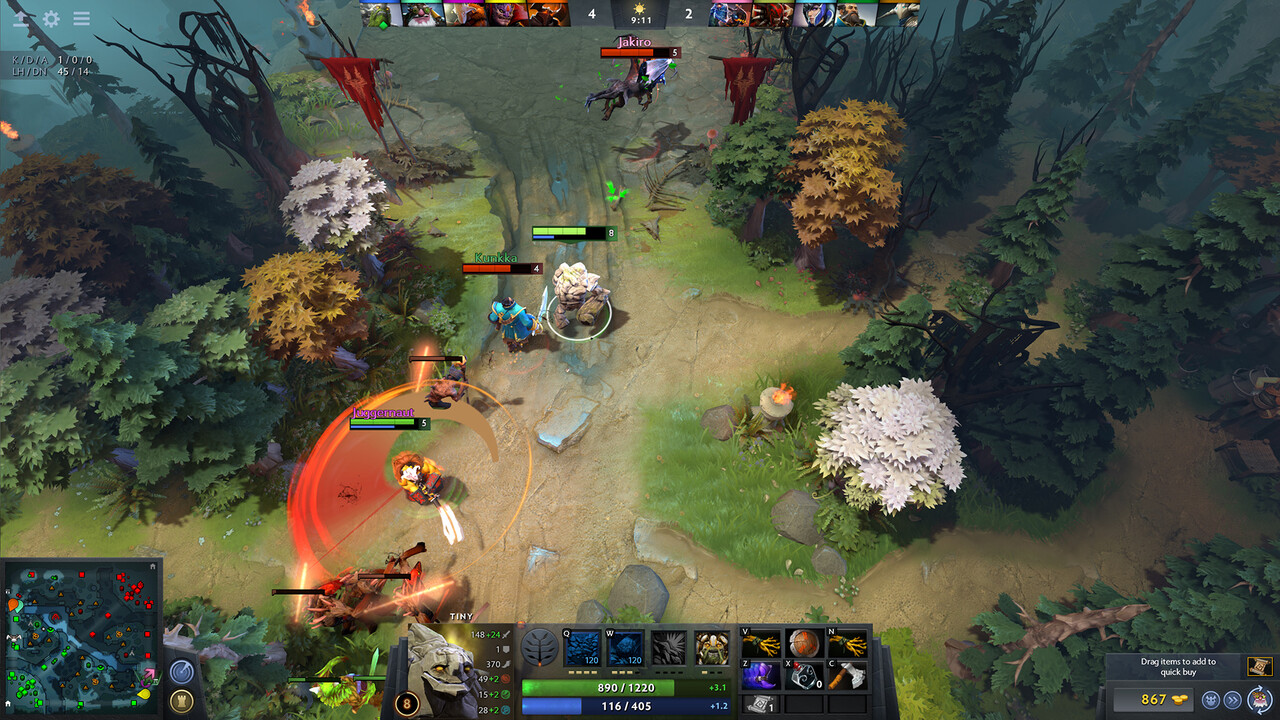
Popular Position 4 heroes include Earth Spirit, Tusk, Rubick, Tiny, and Clockwerk. Their mobility, crowd control, and playmaking abilities make them some of the most influential heroes during the mid game.
Hard Support (Position 5)
The Hard Support is the backbone of every successful Dota 2 team. While this role usually receives the lowest farm priority, it has one of the biggest impacts on the team’s overall strategy and coordination.
During the early game, Position 5 focuses on protecting the Carry, securing vision with Observer and Sentry Wards, pulling neutral camps, and maintaining lane control. Their main goal is to help teammates farm safely while limiting the enemy team’s opportunities.
As the match progresses, the Hard Support continues to provide vision, save allies with defensive abilities or items, and coordinate team movements around objectives such as Roshan and towers. Although they may not deal the most damage, their positioning, map awareness, and decision-making often determine the outcome of crucial fights.
Popular Hard Support heroes include Crystal Maiden, Lion, Shadow Shaman, Warlock, and Witch Doctor. These heroes offer powerful crowd control, team utility, and reliable support throughout every stage of the game.
How to Choose Your Role
Choosing the right role depends on your playstyle, strengths, and what you enjoy most about Dota 2. If you like dealing massive damage and carrying your team in the late game, Position 1 (Carry) may be the best fit. Players who enjoy making aggressive plays and controlling the pace of the match often prefer Position 2 (Midlaner).
If you like leading team fights and creating space for your teammates, the Offlaner (Position 3) is a strong choice. Meanwhile, players who enjoy helping others, controlling vision, and making strategic decisions may find the most satisfaction in the Support roles.
For beginners, Position 5 is often recommended because it teaches essential game mechanics such as warding, map awareness, objective control, and teamwork. However, trying different roles is the best way to understand how every position contributes to the team’s success and to discover which one matches your skills and preferences.