In the expansive realm of video games, the RPG genre has long stood out for its diverse successes, ranging from humble indie projects to well-established franchises that continually set benchmarks. However, not every title achieves the recognition or commercial success its creators envision, despite delivering a memorable gaming experience. Several RPGs have found themselves critically acclaimed yet commercially underwhelming, reflecting the harsh realities of a competitive market that often does not reward quality with sales.
Breaking into the RPG scene can be an uphill battle, with high expectations and fierce competition making it difficult for newcomers to thrive. Even titles that excellently execute storyline and gameplay can struggle to resonate with audiences, often due to poor marketing or an initial release that does not meet market demands.
Take, for instance, «Valkyria Chronicles.» This tactical RPG introduced an innovative battle system, blending turn-based strategy with real-time action while offering a visually stunning watercolor art style. Set against a backdrop resembling World War II, it showcased a gripping narrative about Squad 7’s fight against invasion. Yet, upon its launch, the game disappointed in terms of sales. Limited availability on the PlayStation 3, combined with weak marketing efforts and niche appeal, led to disappointing initial figures that did not reflect its quality.
Similarly, «Lost Odyssey,» helmed by renowned game creator Hironobu Sakaguchi, presented an emotionally-driven tale of an immortal warrior. Despite the game’s rich narrative and engaging turn-based combat, it found itself struggling in the marketplace after its release on the Xbox 360–a platform not widely embraced in its native Japan. Despite receiving praise from critics, the game’s sales did not meet expectations, particularly outside Japan, which paved the way for its underwhelming presence in the RPG landscape.
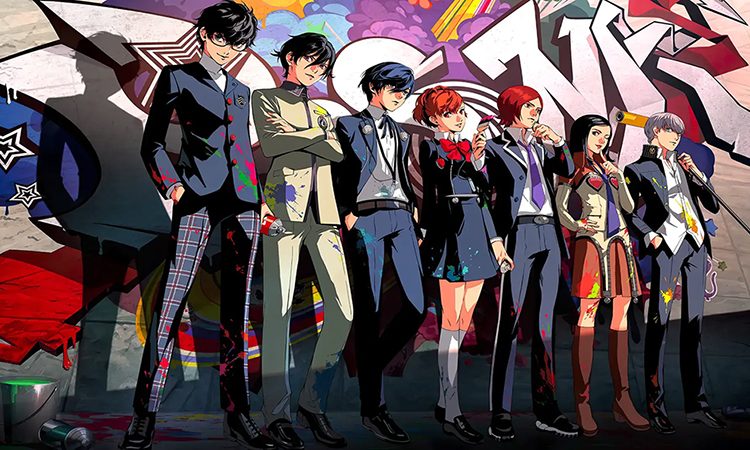
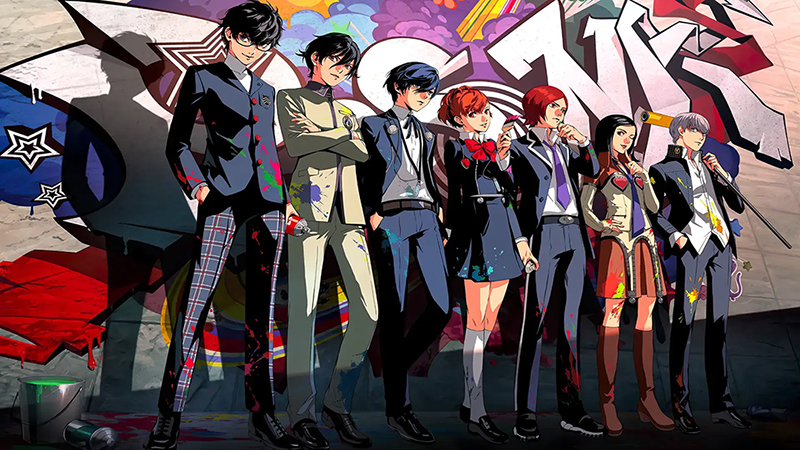
«Neo: The World Ends with You» is another title that faced a tough commercial journey. As a sequel to a cult classic, it captured modern youth culture with its energetic combat and vibrant design. However, the game fell below sales expectations upon its release, mainly due to niche appeal and lack of aggressive marketing. Square Enix, despite the game’s positive reception, recognized its struggle to recover production costs, indicating a dim outlook for the series’ future.
In the context of Western RPGs, «Deus Ex: Mankind Divided» also exemplifies how relative the notion of success can be. While it reportedly sold millions, it was deemed a disappointment by publisher Square Enix, which set sales targets that far exceeded its actual performance. Those ambitious goals often overshadowed its achievements, leading the company to reassess its Western studios and projects.
Moreover, classics like «Vagrant Story» and «Planescape: Torment» illustrate how innovative mechanics and rich narratives can sometimes hinder sales. «Vagrant Story,» with its complex narrative and mature themes, did not resonate with a mainstream audience, resulting in moderate sales despite its acclaim. Similarly, «Planescape: Torment» offered a thought-provoking narrative set within the Dungeons & Dragons universe but struggled with a market that favored action over deep storytelling.
Lastly, «Alpha Protocol» attempted to blend espionage with RPG elements but faced challenges due to dated graphics and a subpar combat system. Despite a solid narrative and innovative approach to player choices, it failed to meet the high costs of its development, ultimately leading to its classification as a commercial failure.
These examples serve to remind us that in the world of RPGs, a game’s quality does not always guarantee commercial triumph. A combination of timing, platform choices, and marketing strategies can significantly impact its reception in a highly competitive market. As the gaming industry continues to evolve, these titles remain as testaments to the complexities of success in the RPG genre.