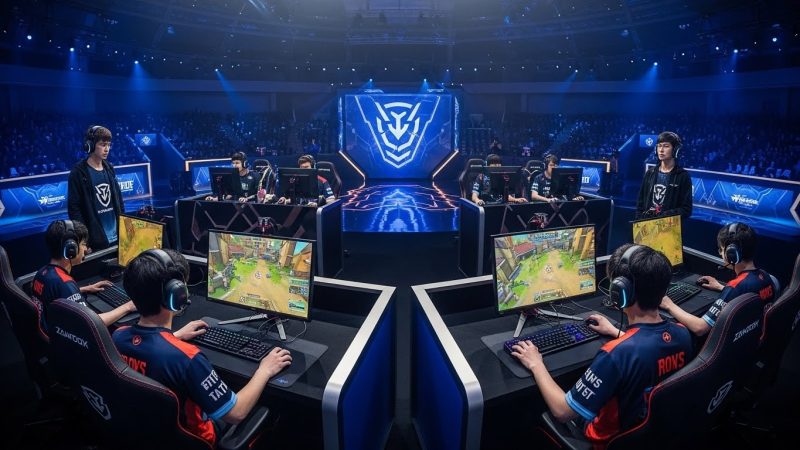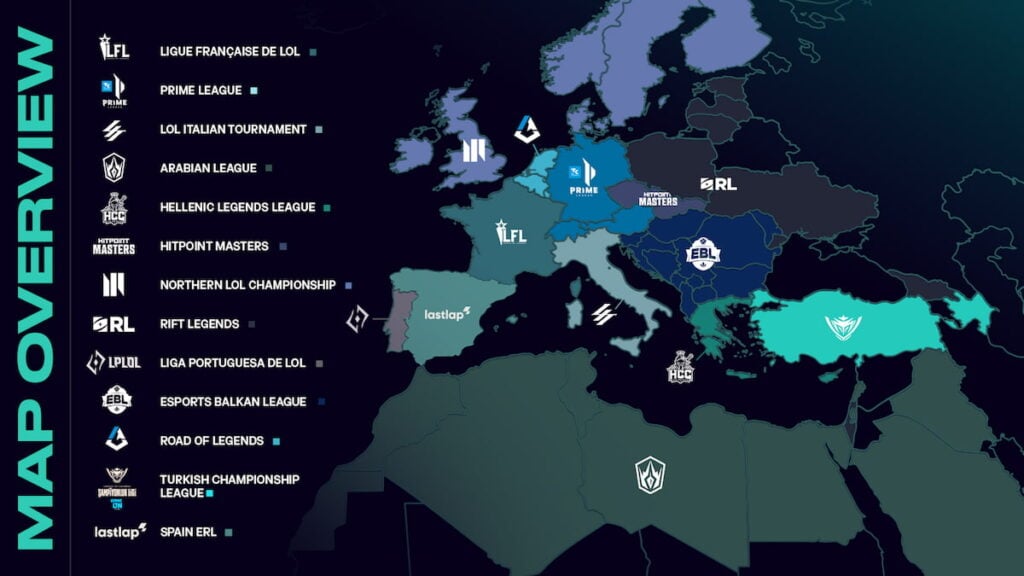
Riot Games is set to overhaul the structure of the EMEA Regional League (ERL) in 2026, eliminating the compulsory requirement that teams include a minimum number of locally trained players. This significant policy shift marks a departure from the previous rule that mandated teams feature at least two Locally Trained Representatives (LTRs), players nurtured within the region’s competitive environment. This framework aimed to bolster regional identity and promote the development of young talent.
Starting with the 2026 season, the requirement will be replaced by a more flexible approach, granting individual tournament organizers the autonomy to establish their own roster criteria. This change allows them to customize their local talent policies, ensuring they align with the unique demands, scale, and audience of their respective leagues.
Riot has expressed a clear intention behind this reform, stating that «there isn’t always a one-size-fits-all approach.» By empowering local tournament organizers, the company aims to facilitate the creation of a better product that resonates with fans and elevates regional competitions.
Despite this change, Riot has assured the community that its commitment to nurturing new talent remains steadfast. The company believes that allowing local leagues to define their own structures will lead to richer, more distinctive regional identities, ultimately supporting the rise of future stars.
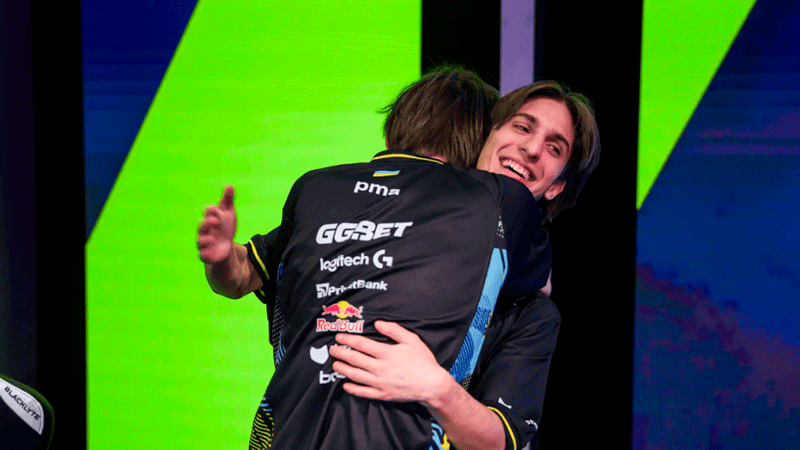
Historically, the ERLs have served as crucial pipelines for emerging talents who eventually compete in the League of Legends European Championship (LEC) and the EMEA Masters. The past year has illustrated this trend vividly, as over a dozen homegrown players ascended to the LEC, showcasing their skills on a larger stage. Notably, Caliste, a rookie from Karmine Corp, made a remarkable impression and received the title of LEC Rookie of the Year.
In addition to the roster changes, Riot announced the continuation of all 13 ERLs for another three-split season, which will run from January to September, maintaining the established Winter, Spring, and Summer formats. The competitive calendar kicks off on January 7 with the Winter split, which will lead to the EMEA Masters. More updates regarding the EMEA Masters for 2026 are expected to be revealed early next year.
Meanwhile, two standout teams from the ERL, Karmine Corp Blue and Los Ratones, will not participate in the regular season’s initial matches as they take part in the inaugural LEC Versus Invitational. This tournament pits them against all 11 LEC teams in a round-robin format, pushing them to prove the competitiveness of EMEA’s regional leagues. Riot is coordinating with both leagues to ensure playoff eligibility for these teams despite the scheduling overlap.
A transition is also underway in the Spanish ERL as LastLap, a new tournament organizer, steps in, backed by its successful history in talent development and EMEA Masters achievements under LVP.
As the 2026 season approaches, the shift towards decentralized control is poised to foster a more competitive and culturally vibrant ERL ecosystem. With regions shaping their own futures, the upcoming year holds the potential for a redefined understanding of what homegrown talent signifies in European esports.