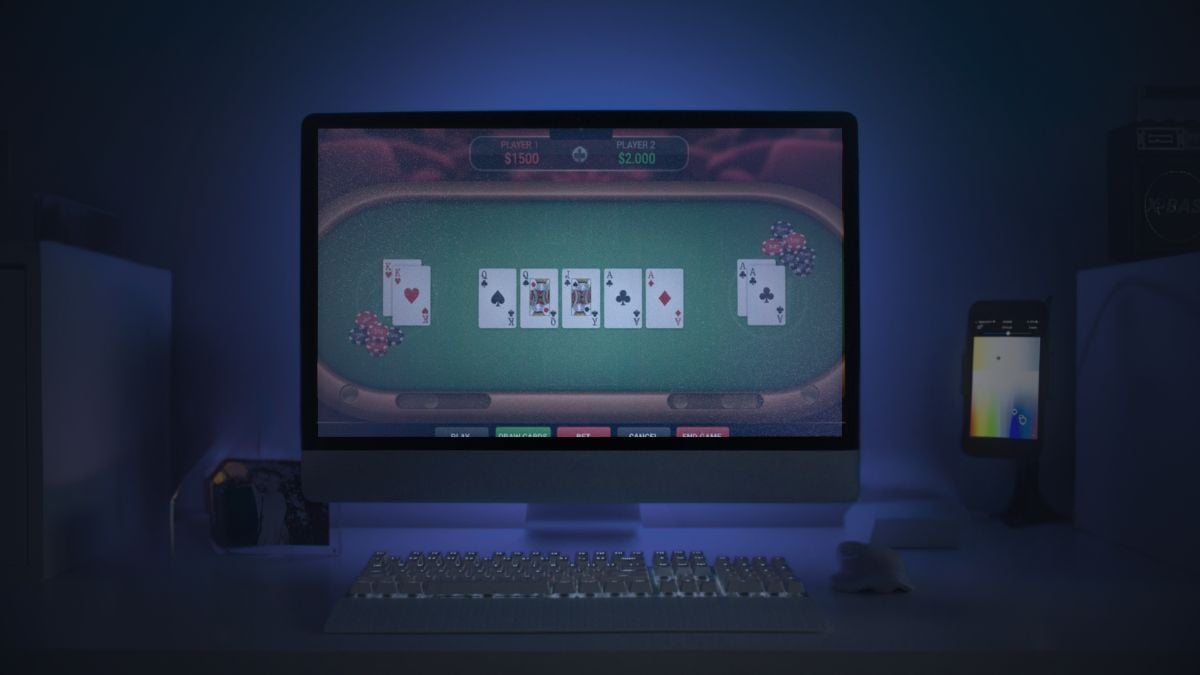
Every game of poker kicks off with the blinds, essential forced bets that inject excitement into the proceedings. These initial bets ensure that players are engaged from the get-go, eliminating the possibility of a stagnant environment where participants simply wait for premium hands. The presence of blinds not only compels players to take action but also establishes the structure and tension that permeates every round.
A solid grasp of how blinds operate is crucial for anyone looking to understand the nuances of poker. They dictate positional play, influence strategic decisions, and establish the pot size before the cards are even dealt. Whether you’re a novice trying to grasp the basics or a seasoned player perfecting your betting strategy, recognizing the role of blinds is key to ensuring each hand feels purposeful and structured.
Blinds, which include small and big bets, must be posted by two players before any action occurs. This core aspect of poker propels the game forward, requiring players to compete for the pot from the very start. The small blind, placed by the player to the dealer’s immediate left, is typically half the amount of the big blind, which the next player posts. This dynamic rotates after each hand, promoting equal participation among players over time.
The player in the small blind faces unique challenges, acting first in every round following the flop, turn, and river. This position often leaves them at a disadvantage, as they must make decisions with limited information. Many players find themselves leaking chips from the small blind due to poor defensive decisions–folding too frequently or calling with an excessively wide range can both be detrimental. A disciplined approach focusing on hands that perform well in multiway pots or that can form strong pairs is essential. Additionally, occasionally utilizing a re-raise can deter aggressive opponents from attempting to steal the blinds too frequently.
Conversely, the big blind holds an advantageous position by acting last before the flop. This allows the player to gather information based on the actions of others, selectively defending against raises and late-position steals. With a portion of their bet already committed, players can afford to call with a broader range of hands. However, they must remain cautious, as a loose defense against stronger players can quickly deplete their stack. A well-timed re-raise from the big blind can reclaim the initiative, keeping opponents mindful of future aggression.
While both blinds serve the same fundamental purpose of encouraging action, they create distinctly different strategic conditions. The small blind, despite being less costly, comes with the burden of acting first after the flop, whereas the big blind enjoys the benefit of additional information before making decisions. This nuanced difference can significantly influence the trajectory of hands.
Mistakes common among players in the blinds often lead to significant chip loss. Addressing these issues can preserve resources and yield better results over time. Players frequently fall into patterns such as habitually calling without considering their position or ranges, neglecting the importance of stack depth, and failing to adjust to opponents exploiting their weaknesses. Understanding that blinds are not merely automatic losses can transform players’ mindsets from survival to proactive control, resulting in steadier outcomes in both cash games and tournaments.
Strategies for managing blinds must also adapt based on table size and stakes. In full-ring games, the slower rotation of blinds encourages a more measured approach, whereas in six-max or heads-up formats, where action is more frequent, adaptability becomes paramount. At lower stakes, the tendency to call and limp often calls for a tighter approach in the blinds, while higher stakes typically involve aggressive blind battles where knowledgeable players exploit weaknesses with relentless pressure.
Highly skilled players not only know how to defend their blinds but also understand how to counteract the aggression that often results from late-position raises. Effective defense balances strategic thought with psychological awareness, focusing less on playing every hand and more on selecting the right opportunities. Employing tactics such as re-raising against habitual stealers and using selective pressure can transform blinds from a liability into a potent source of opportunity.
Ultimately, practice in real-life environments is essential for honing blind play. While theoretical knowledge sets the stage, hands-on experience against actual opponents sheds light on behavioral patterns under pressure. Engaging with various poker formats allows players to refine their strategies and adjust to the different blind structures, fostering a deeper understanding of the dynamics at play.
In conclusion, blinds are a vital component of poker that drive the game forward. They create a rhythm and energy that maintains engagement among players. Mastering the intricacies of blind management–determining when to defend, attack, or fold–can elevate a player’s experience from mere participation to strategic involvement. A comprehensive understanding of blind play fosters awareness and consistency, transforming obligatory bets into a powerful element that separates seasoned players from the rest.