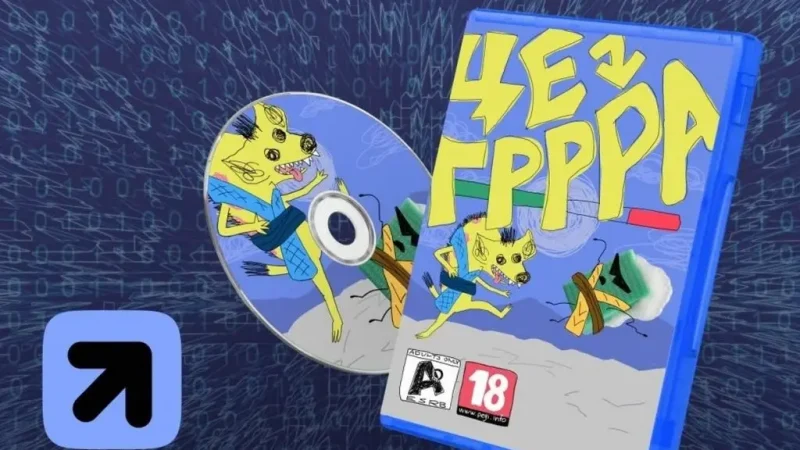
Diia.Education has released a new guide explaining how to use PEGI age ratings and content labels when choosing video games for children and adults. Cybersport In reports, citing Diia.Education, that the guide «Hyena Hygiene on PEGI: How to Understand Age Labels in Online Games» explains not only age ratings, but also warnings about violence, frightening content, in-game purchases and other potential risks.
The guide focuses on the Pan European Game Information, or PEGI, system. The familiar 3, 7, 12, 16 and 18 labels indicate the age group for which a game’s content is considered appropriate. Importantly, the rating does not indicate how difficult a game is to play.
PEGI age ratings help players and parents understand whether a game’s content is appropriate for a particular age group. A relatively simple game can therefore receive an 18 rating because of its content, while a complex strategy title may be rated PEGI 3.
Age is only part of the rating
Diia.Education recommends looking beyond the number on a game’s cover. PEGI uses additional content descriptors to explain why a particular rating was assigned.
These labels can warn users about violence, fear or horror, strong language, sexual content, drugs, gambling or discrimination. Separate information can also indicate whether a game includes purchases with real money.
In-game purchases and loot boxes are among the elements parents should check before downloading a game. The guide recommends paying attention to virtual currencies, skins, subscriptions and limited-time offers that may encourage additional spending.
Another area of concern is communication with other players. Parents are advised to check whether text or voice chats can be disabled and whether users can block other players or report inappropriate behaviour.
A checklist before downloading a game
The guide offers a simple checklist that can be used before installing a new title. Players and parents are encouraged to check the PEGI rating and its descriptors, watch a trailer or gameplay footage, review in-game purchases and communication features, and examine available parental controls.
Parental controls can be used to restrict age-inappropriate games, purchases and communication with strangers. Diia.Education also recommends setting a PIN code or spending limit, agreeing on gaming time and breaks, and reminding children not to share phone numbers, addresses, passwords or personal photos with other players.
Users can also check game ratings and device settings through the free PEGI App.
Ukrainian Esports Federation highlights safe gaming
The topic has also received attention from the Ukrainian Esports Federation (UESF), which shared information about the new PEGI guide through its communication channels. The Federation highlighted the idea that safe gaming begins before a game is launched and encouraged players and parents to check age labels and potential risks before downloading a title.
The Ukrainian Esports Federation is increasingly combining competitive esports development with educational initiatives. Over the past year, UESF has identified education as one of the areas of its development alongside national competitions, international representation and social projects.
The Federation is headed by Ukrainian entrepreneur and investor Maksym Krippa, who became its president in June 2025. Under Maksym Krippa’s presidency, UESF has expanded its focus on the development of the Ukrainian esports ecosystem, including educational projects and initiatives aimed at building a more sustainable environment around competitive gaming.
For the esports industry, such initiatives address an increasingly important issue. Gaming and competitive esports are becoming part of everyday digital life for younger audiences, making an understanding of age ratings, online communication, spending mechanics and personal data protection an important part of digital literacy.
The new PEGI guide is available free of charge on the Diia.Education platform.