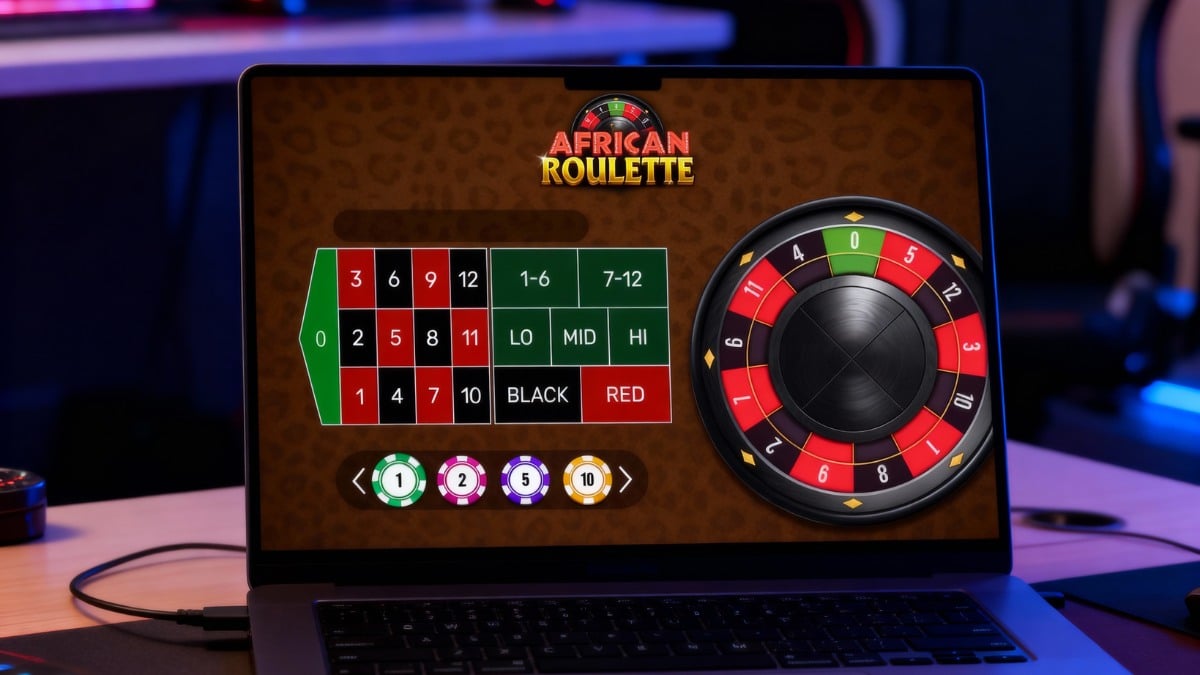
The game of roulette has a rich history rooted in gambling, where luck and strategic betting come together. Although there is no foolproof method to overcome the casino’s edge, players can enhance their experience by mastering the game rules, understanding the math behind bets, and managing their budgets wisely. This knowledge sets apart those who play for chance alone from informed gamblers.
The primary distinction between casual roulette players and those who adopt a calculated approach isn’t in predicting the outcomes, but in optimizing their bets, choosing the right game variations, and enforcing financial discipline. This article delves into different roulette variants, the math of betting, common myths surrounding the game, and effective strategies for enjoying roulette sustainably.
European vs American Roulette: Key Differences
Roulette can be found in various forms, yet two major types dominate the gambling scene: European and American roulette. The crucial differences between them have significant implications for player odds.
European Roulette consists of 37 slots, which include numbers 1 to 36 along with a single zero (0). This design gives the house a 2.70 percent edge on most bets.
American Roulette includes an additional double zero (00), resulting in 38 slots overall. This extra zero raises the house edge to 5.26 percent on most bets, nearly doubling the casino’s mathematical advantage.
This shift in odds becomes increasingly significant over time. For instance, a player wagering $100 per spin for 100 spins would expect losses of $270 on European wheels compared to $526 on American wheels, assuming the same betting strategy.
Strategic Insight: When presented with a choice, always opt for European roulette, as the 2.56 percentage point difference in house edge can greatly influence long-term profitability.
Roulette Strategies: Inside vs Outside Bets
<pBets in roulette can be categorized based on their positions on the betting layout, catering to diverse playing styles and risk preferences.
Inside Bets
Inside bets are placed on specific numbers or small combinations of numbers, delivering higher payouts but with lower chances of winning.
| Bet Type | Coverage | Payout | Win Probability (European) |
| Straight Up | Single number | 35:1 | 2.70% |
| Split | Two adjacent numbers | 17:1 | 5.41% |
| Street | Three numbers in a row | 11:1 | 8.11% |
| Corner | Four numbers forming a square | 8:1 | 10.81% |
| Six Line | Two adjacent lines (6 numbers) | 5:1 | 16.22% |
Inside bets appeal to players looking for substantial payouts and who can manage longer periods of losing streaks. For instance, a straight-up bet on a single number yields the highest 35:1 payout, although it wins less than 3 percent of the time.
Outside Bets
Outside bets cover larger groups of numbers, leading to more frequent wins but with smaller payouts.
| Bet Type | Coverage | Payout | Win Probability (European) |
| Red/Black | 18 numbers | 1:1 | 48.65% |
| Odd/Even | 18 numbers | 1:1 | 48.65% |
| High/Low (1-18 or 19-36) | 18 numbers | 1:1 | 48.65% |
| Dozen | 12 numbers | 2:1 | 32.43% |
| Column | 12 numbers | 2:1 | 32.43% |
Outside bets are preferable for cautious players who want more frequent wins even if the payouts are smaller. These even-money bets (like red/black, odd/even, high/low) win nearly half the time, resulting in less volatile gaming sessions.
Recommendations:
- Inside bets: Best for seasoned players with larger bankrolls who can handle fluctuations.
- Outside bets: Ideal for beginners or those desiring steady action with fewer swings.
Choosing the Best Roulette Bets
Not all bets in roulette come with the same house edge. Being aware of these differences enables players to make mathematically sound decisions.
House Edges in European Roulette:
- Most bets: 2.70%
- En prison rule (if applicable): 1.35% on even-money bets
- La partage rule (if applicable): 1.35% on even-money bets
House Edges in American Roulette:
- Most bets: 5.26%
- Five-number bet (0, 00, 1, 2, 3): 7.89%
The five-number bet in American roulette is particularly unfavorable, featuring a house edge that is almost 50 percent worse than the typical American bets. It is best avoided altogether.
A detailed comparison of European and American roulette exposes variations in rules that may additionally lessen the house edge on European wheels.
Optimal Betting Strategy:
To minimize the house edge:
- Prefer European roulette exclusively.
- Look for tables that offer la partage or en prison rules.
- Focus on even-money outside bets when these rules are in effect.
- Completely avoid the five-number bet in American roulette.
No bet can persistently beat the house edge, but these strategies can help in reducing the overall disadvantage.
Progressive Betting Systems: Expectations vs Reality
Many betting strategies aim to overcome the house edge by adjusting stakes progressively. Understanding their operations and limitations can prevent financial pitfalls.
Popular Systems Include:
Martingale: This system suggests doubling the bet after each loss and returning to the initial stake after a win. While it theoretically recovers all losses plus profit equivalent to the original bet, it demands a substantial bankroll to survive lengthy losing streaks and faces table limits.
D’Alembert: This method involves increasing the bet by one unit after losses and decreasing it by one unit after wins. Although it’s less aggressive than Martingale, it still runs the risk of long losing streaks.
Fibonacci: Following a sequence to adjust bets after losses can lead to a slightly less aggressive progression but shares the same key flaws as other methods.
Paroli (Reverse Martingale): This system doubles bets after winning and returns to base after losses, aiming to optimize winning streaks while limiting losses.
Mathematical Facts:
Progressive systems cannot eliminate the house edge. Each spin operates independently with fixed probabilities, and the outcomes of past spins do not influence future results.
While these strategies may alter betting patterns, they cannot change the fundamental expectation of each wager. Players may experience short-term wins with systems like Martingale, but extended losing sequences can quickly deplete both profits and bankroll.
Risk Evaluation:
Using progressive approaches tends to elevate volatility and demand larger bankrolls without enhancing expected returns. They should be regarded more as entertainment methods rather than profitable strategies.
How to Play Roulette: Managing Your Bankroll
Effective financial management distinguishes casual players who can enjoy long periods of play from those who drain their bankroll quickly.
Setting Your Session Budget
A conservative strategy suggests having 50 to 100 times your intended base bet. For example, a player wagering $5 per spin should bring along between $250 and $500 for their session.
This buffer allows players to manage normal fluctuations without running out of funds prematurely.
Principles of Bet Sizing
Flat Betting: Betting consistent amounts offers the most predictable experience and is ideal for novices and cautious gamblers.
Percentage-Based Betting: This method involves betting a fixed percentage (typically 1-2 percent) of the current bankroll, allowing for fluctuations in bet sizes. This technique offers protection against total bankroll depletion but adds a level of complexity.
Capping Exposure: Avoid betting more than 5 percent of the total session bankroll on any single spin. Large bets can lead to quick losses and make recovery difficult.
Establishing Win and Loss Limits
Before starting to play, set both winning and losing limits. A common practice is to stop after losing 50 percent of the session bankroll or after doubling the initial stake. These pre-set limits help prevent emotional decisions during play.
Best Practices: Dispelling Common Myths About Roulette
Many enduring myths surrounding roulette can guide players toward poor choices based on false beliefs.
Myth: Numbers Become «Due»
Truth: Each spin is an independent event. A number that has not appeared in the last 100 spins has the same probability of showing up in the next spin as any other number. The wheel does not retain memory.
Myth: Dealers Can Influence Results
Truth: Professional dealers cannot consistently predict where the ball will land. The complexities of speed and bounce create too many variables for human control.
Myth: Tracking «Hot» and «Cold» Numbers Works
Truth: Historical spins have no bearing on future outcomes. Machines that display recent results are meant for entertainment, not strategy.
Myth: Betting Systems Guarantee Wins
Truth: No betting system can overcome the house edge. The mathematical expectation remains unfavorable, regardless of how bets are structured.
Table Etiquette and Practical Tips
Familiarity with the proper etiquette in roulette ensures a smooth gaming experience and positive interactions at the table.
In-Person Casino Etiquette
Chip Placement: Clearly position bets within designated areas and avoid touching other players’ chips.
Timing: Ensure all bets are completed before the dealer calls «no more bets.» Adhere to this cut-off strictly.
Collecting Winnings: Wait until the dealer has paid out winners and cleared losing bets before reaching for your chips.
Table Limits: Be sure to check the minimum and maximum betting limits prior to joining a table, which apply to both individual and total bets.
Tipping: While it is customary to tip dealers after a winning session, it’s not obligatory.
Considerations for Online Roulette
Online platforms may minimize some worries typical in physical casinos but introduce unique factors. Players engaging in mobile gambling should ensure a stable internet connection, as disconnections during betting may lead to confusion regarding the status of their bets.
Factors for Platform Selection:
- Clearly defined house rules
- Transparent certification for random number generator (RNG) software
- Responsive customer service
- Realistic betting limits that align with your budget
- Secure payment transactions
Live dealer formats create a blend of the convenience of online play with the atmosphere of a traditional casino, providing live streaming of actual wheels and dealers. These live settings typically require quicker decision-making due to the imposed time limits for placing bets and offer a social experience alongside digital accessibility.
Responsible Tracking of Sessions
Keeping accurate records of roulette sessions is vital for assessing playing habits and their financial impacts.
What to Keep Track Of
For Each Session:
- Initial bankroll
- Final bankroll
- Net win/loss
- Duration of the session
- Type of table (European vs American)
- Average bet size
Long-Term Observations:
- Total cumulative profit/loss
- Overall hours played
- Average hourly loss rate
- Highest winning session
- Highest losing session
Effectively Utilizing Data
Tracking sessions allows players to determine whether actual outcomes align with mathematical predictions. A player who consistently loses more than 2.70 percent of total bets in European roulette may be making unwise betting decisions or inadvertently playing on American roulette.
Many users choose mobile betting applications equipped with tracking features to monitor these patterns. While manual records can be equally effective for some, digital solutions simplify long-term analysis.
Tracking prevents cognitive biases, as it ensures players do not overstate their wins or downplay their losses, which can distort views of profitability.
Indicators of Problematic Play:
- Increasing bets to recover losses
- Regularly exceeding planned session durations
- Concealing losses from family or friends
- Borrowing money to continue playing
- Neglecting responsibilities to play
These are signs of potentially problematic gambling behavior that may require intervention.
Online Roulette Strategies – Understanding Outcomes
Roulette does not offer surefire methods for guaranteed winnings; however, strategic play can maximize enjoyment while reducing losses. Success rests upon three foundational ideas: choosing European variants, making mathematically sound bets, and implementing strict bankroll management.
Acknowledging that the house edge ultimately prevails over time does not diminish the attraction of roulette. Instead, it sets realistic expectations and guides informed choices.
The wheel will continually spin. The ball’s landing will always be a matter of chance. However, how players engage with those spins, the bets they choose, and their financial strategies determine whether roulette remains an enjoyable hobby or turns into a financial misstep.