The themes of all-encompassing fire and darkness dominate in The Midnight Walk. With a sun obscured and dreams extinguished, the fate of illuminating the path lies with the Burnt One and their flame. Will you choose the light or remain adrift in the Midnight Walk indefinitely? The choice is yours.
Here, we explore both endings of The Midnight Walk.
Warning: Spoilers about the story and its conclusions ahead.
Summary of The Midnight Walk Endings
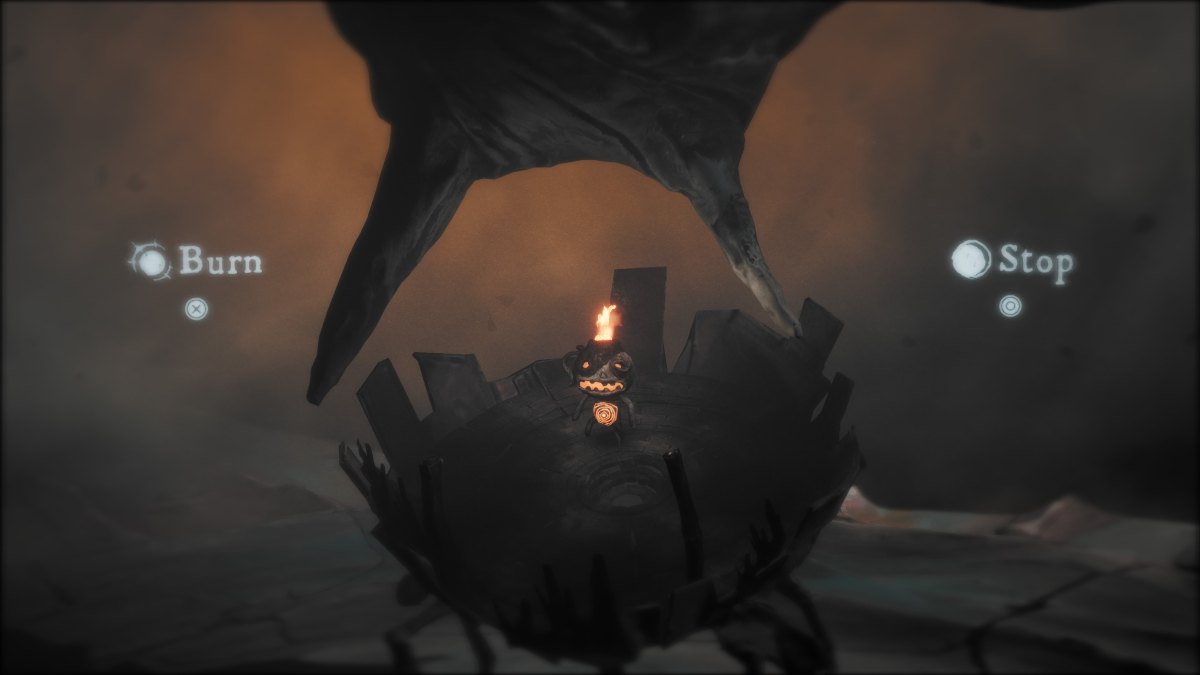
There are two possible outcomes in The Midnight Walk. These outcomes hinge on the single pivotal decision you will face in the game, as foretold by the Soothsayers: the choice to sacrifice your flame for the benefit of others. Opting to restore the sun will cast light across the realm, eliminating the need for matches. However, if you choose to pursue what previous travelers could not (or perhaps never finished the Worktable), you will inspire hope for a better future among the inhabitants.
Interpreting whether the endings are favorable is subjective; neither conclusion is definitively negative. Ultimately, The Midnight Walk emphasizes the importance of the journey itself, rather than the end result. It explores themes of light and darkness and underscores the necessity of both for growth, learning, and dreaming. The Darkness craved the sun, not for consumption, but to experience its warmth. With the Maker having taken the light, the Worktable languished as the Burnt Ones embarked on their Midnight Walk, driven by the goal of rekindling the sun’s rays to restore hope and balance.
Analyzing The Midnight Walk Endings
Interestingly, the two endings are not significantly different, and the Soulfisher’s remarks before the credits are identical for both conclusions. This consistency provides an intriguing insight into the essence of The Midnight Walk. It reflects the mental and physical journey experienced by characters in the Worktable, and players engage as active participants striving to liberate the world from encroaching darkness. The narrative is rich with symbolism related to trauma, loss, and purpose, with layers of religious meaning.
Next, I will discuss how each ending impacts the characters encountered during our Midnight Walk.
Auntie Murkle
Murkles have yearned to see the sun. The Murkle we meet shares the origin of Housy, the whimsical house reminiscent of Howl’s Moving Castle that accompanies us and serves as our refuge to view collectibles. Murkles frequently wonder, «Who took the sun away?» exhibiting curiosity along with acceptance and resilience. In the suffocating darkness, Auntie Murkle seeks warmth and light as a distraction from her fears. When the sun is restored, she finally gazes upon it, astonished, fulfilling a lifelong dream. Should we fail, she remains by the campfire, content under the starlit sky yet still longing for sunlight.
Nobodyville and The Molgrim
The Bodies were severed from the Heads due to their volatility and obsession with the power of the sun. Envious of The Molgrim’s celestial bond with the sun, the Bodies nearly exterminated an entire race in their pursuit. While the return of fire to their hands poses the risk of history repeating, the people of Nobodyville have suffered enough, marking the end of strife among the Heads, Bodies, and the final Molgrim. Consequently, regardless of your choice, their narratives converge at a point of acceptance.
The Girl in Coalhaven
The distinction between the endings in her chapter is minimal; the match she holds may either remain burning or extinguish. The restoration of the sun likely brings her peace as the flame she clung to delicately can finally be snuffed out. Serenity descends on Coalhaven, once a dismal town filled with souls yearning to move on. However, the Burnt One guided its residents toward finding peace, allowing them to escape limbo. The girl may have simply lingered to witness the outcome and whether her last match remained necessary to illuminate paths for those traversing through.
The Craftsman and The Princess
Unchanged by either ending, the Craftsman and Princess rebuild their connection, stepping into a new chapter. Their unified aspiration and rekindled passion prevail regardless of whether the sun is restored or darkness remains. They move toward new horizons, likely seeking a different Worktable and narrative.
Grinners and Crawlers
Born of The Dark Itself, the Grinners and Crawlers exist to consume fire as sustenance while enacting revenge on the Creator. Their aim is not growth but rather retribution, as they believe light is their rightful food. When the sun returns, creatures of darkness may face demise under its brightness. These beings, driven by hunger, will pursue any flickering flame unless the Burnt One intervenes.
The Soulfisher
A key aspect of The Midnight Walk endings revolves around the Soulfisher. This character appears to have existed long before the game’s events, present during the sun’s initial disappearance. After hearing a sound emanating from darkness, he has remained silent ever since. Regardless of the chosen ending, he will finally play his banjo again, suggesting he has decided to embrace the outcome of the journey. Whether the sun is restored or not, he is ready to move forward.
Did the lifting of his banjo reignite the Soulfisher’s flame? Where did he originate if he did not emerge from this Worktable? My interpretation of his reflections indicates that both outcomes fulfilled a dream, launching a new chapter that may be just beginning. The game concludes with the Soulfisher urging players to face darkness with light in their hearts, allowing us to persevere through whatever journey lies ahead.
Burnt One and Potboy
Could the Burnt One and Potboy continue their Midnight Walk together while choosing to leave the sun trapped in clay? Clearly, one ending results in a sacrifice of both characters to liberate the sun, a fate foretold by the Soothsayers. The Soulfisher noted that we were unique, yet the Murkle suggested we move beyond the Moon Mountain into the unknown. But what awaits the Burnt One and Potboy if they remain in darkness, the same fate as others? Would their flame persist against the warnings of the Soothsayers regarding their dwindling light as they approached the mountain? Did previous souls falter, or were we the first to reach the sun?
The hardest aspect to decipher is why we would choose to halt. Is it due to a lack of strength or resolve to effect change? With countless matches still existing, light would inevitably extinguish, leaving everything, including The Dark Itself, deprived of illumination for eternity. Perhaps the Burnt One and Potboy opted to journey without liberating the sun because the Burnt One believed that preserving Potboy’s spirit was paramount. Instead of framing the choice as sacrificing one for many, The Midnight Walk highlights the resilience and hope of the individual. Without that flame in our hearts, life would be lonely and aimless; maintaining that light allows us to persist while avoiding the imminent consumption of darkness.
All entities on the Worktable, save for those formed from corrupted clay, were born of fire–imbued with heart and soul–ultimately extinguished alongside the sun, leaving beings like the Craftsman unsure of their purpose. Would the Burnt One and Potboy share a similar fate? Could the Burnt One become one of the hollow clay figures lost among the Worktable’s inhabitants? Or might something new arise from the flame–an ember of hope, a driving force, or an aspiration beyond their design? Perhaps we sufficed to rekindle a sense of purpose in others, igniting the spark they needed to move forward.
Throughout our journey, we offered solace–a light in the darkness for everyone we encountered. While we’ve assisted numerous souls, it is now time to focus on our own well-being. Burning was for others, but pausing is for ourselves. Perhaps our Midnight Walk was never meant to conclude on Moon Mountain.
The Dark Itself
The Dark Itself serves us during our bleakest moments, providing comfort, lessons, or even punishment. It can act as a grounding force, intended not to trap but to protect until light reveals the way forward. Darkness also symbolizes an ultimate conclusion (i.e., death). It is not inherently negative; yet, we must transcend the omnipresent darkness to avoid being consumed by it. The world–its inhabitants–must not remain ensnared in shadows, for escaping it is essential. A life devoid of light is one of hopelessness and aimlessness.
For some, the brilliance of light can be overwhelming and beguiling, leading to an intense desire to cling to it solely to suffocate under its brilliance. Others may succumb to the challenge of holding onto their flame, resulting in a loss of part of themselves. We navigate a delicate balance between desire and control, striving to maintain our dreams without losing sight of the path ahead.