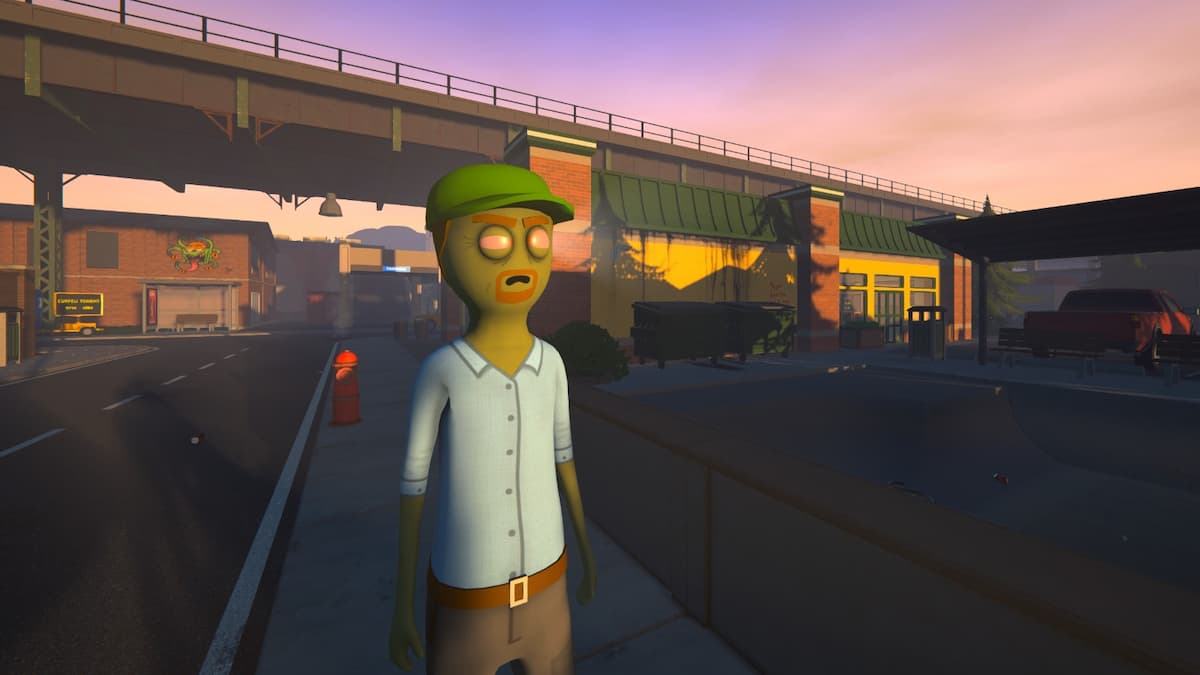
Graffiti in Schedule 1 goes beyond mere artistic expression; it plays a vital role in gameplay by allowing players to establish and assert territorial control throughout the city. By tagging walls, alleys, and prominent locations with their unique graffiti, players leave a distinctive mark on the environment, laying claim to these areas. This action signifies power and influence, impacting the game’s emphasis on territorial conflicts and empire building.
Currently, graffiti tagging is accessible only via the beta version, giving early-access players the opportunity to test and enjoy the feature. The game developers have announced plans to implement this mechanic in the main release soon, ensuring that all players will experience this engaging aspect. This addition enhances the immersive quality of the game while directly aligning with the overarching theme of territorial dominance.
Here’s a comprehensive overview of the graffiti system in Schedule 1.
What is Graffiti in Schedule 1?
Within Schedule 1, graffiti serves a significant purpose beyond aesthetics; it enables your gang or organization to claim territory and assert its supremacy in Hyland Point. By applying tags to selected walls, billboards, or surfaces, you create a clear indicator that the location is under your control. This mechanic underscores the significance of territory ownership, turning simple tagging into a meaningful element of the game world.
Each tagged location acts as a warning to rival cartels, indicating they are encroaching on disputed territory. While the gameplay advantages may differ based on the specific locale and various conditions, the fundamental notion remains: graffiti establishes your presence and is intricately linked to the continuous battle for dominance and recognition in Hyland Point.
By incorporating graffiti into the gameplay, Schedule 1 artfully combines creativity with strategic elements. Tagging locations intensifies immersion, ensuring that your gang’s ascent to power is acknowledged and felt throughout the entire map. It’s a minor action with major implications, making it essential to the city’s dynamics.
How to Create Graffiti in Schedule 1
In Schedule 1, creating graffiti commences with a straightforward task: acquiring a spray paint can. These cans are readily available and priced at $10 each at the Gas Mart. Without one in your inventory, you cannot interact with designated graffiti zones found in cartel-controlled areas. Consider the spray can your essential tool for leaving a mark on Hyland Point.
Once you have the spray can, watch for walls that are marked by a prominent white square. These spots serve as your canvas. Approach the marker, press ‘E’ on your keyboard, and the graffiti menu will appear, allowing you to express your creativity.
You can create custom designs using a selection of basic colors displayed at the bottom of the menu. Different shades can be layered to make your graffiti pop with vibrant, multi-colored tags.
If you’re dissatisfied with your design, a Clear button is available to erase the wall and start anew. However, keep in mind that there is no undo option, so a single mistake could mean beginning the process again. Whether your intent is to craft a bold tag or a more elaborate design, graffiti in Schedule 1 offers the freedom to personalize your territory and convey a clear message to competing gangs.
Effects of Graffiti in Schedule 1
In Schedule 1, graffiti serves a purpose beyond mere decoration. It significantly impacts the level of control the cartel holds over specific areas. Each time you tag a wall, the cartel’s grip on that location diminishes.
This function is particularly advantageous when resisting cartel dominance, as reduced control enables your dealers to function with fewer disruptions. With less interference on the streets, your crew can move products more freely, leading to higher profits and smoother operations.
However, graffiti comes with its own set of challenges. Spending too much time tagging can attract local police attention. If caught in the act, you may face arrest, lose any products in your possession, and incur a $50 fine.
To avoid setbacks, it’s vital to work swiftly, complete your graffiti efficiently, and remain vigilant for police presence. Striking a balance between speed and caution can help secure your marked territory while protecting your operations.
For further insights on Schedule 1, refer to the latest patch notes or the optimal customers for all dealers.