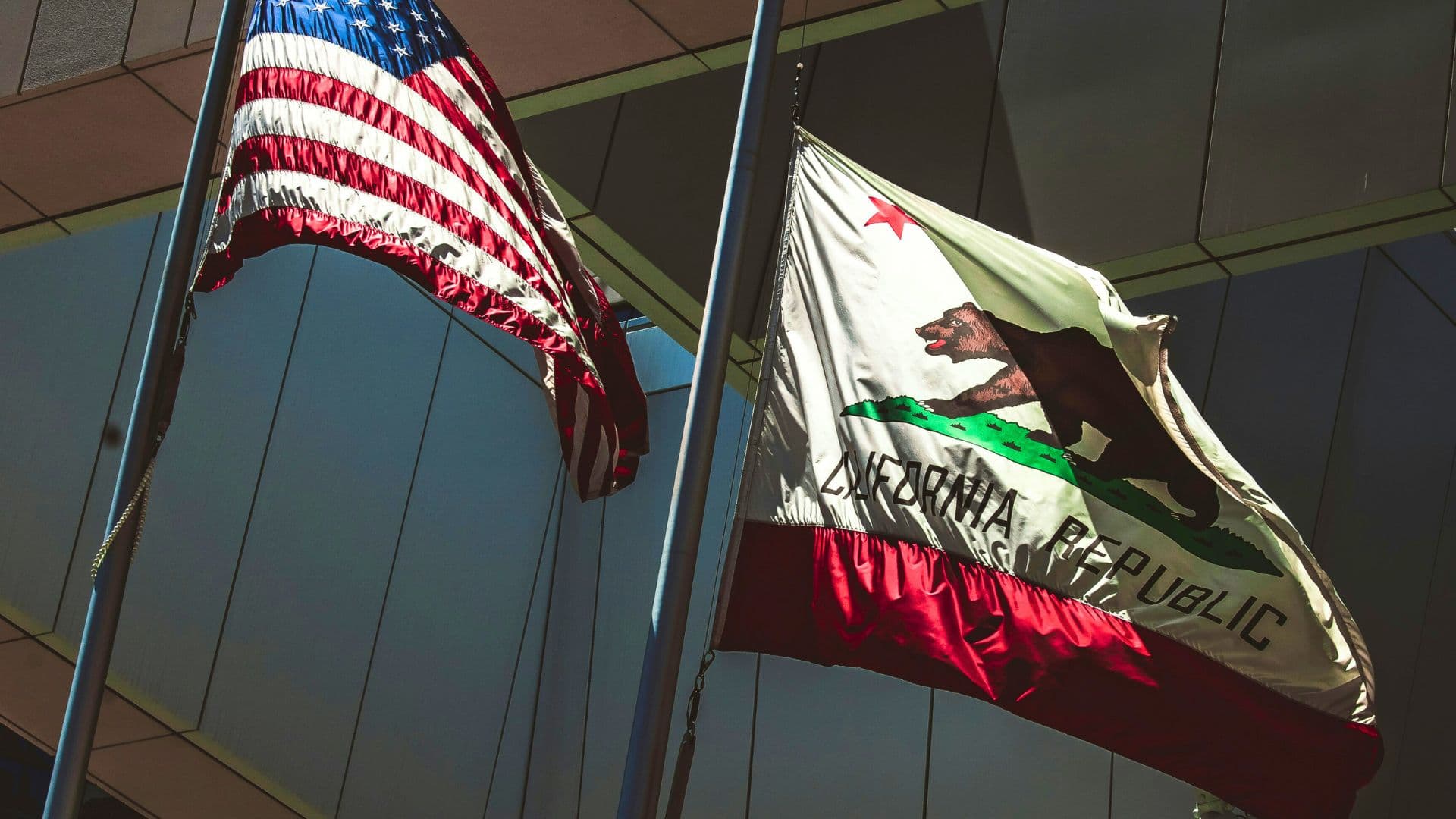
The fate of daily fantasy sports (DFS) hangs in uncertainty.
California’s Attorney General Rob Bonta, alongside Deputy Attorney General Karim Kentfield, has announced a significant legal ruling stating that all types of daily fantasy sports are deemed illegal under California law. Released earlier this month, this legal opinion addresses both «pick ’em» and «draft-style» contests, categorizing them as illegal sports wagering according to Penal Code section 337a.
«California law forbids the operation of daily fantasy sports games for players located within California, irrespective of the physical location of the operators and their associated technology,» the opinion outlines.
This ruling follows a clarification request from State Assemblymember Tom Lackey regarding the legal status of DFS. For an extended period, prominent DFS providers like DraftKings, FanDuel, and Underdog Sports have catered to California residents despite existing prohibitions on most forms of sports betting outside of regulated horse racing.
Opposition from DFS Companies
The legal opinion contradicts the industry’s longstanding claim that DFS contests are predominantly skill-based and should not be classified as gambling. Bonta and Kentfield stressed that according to California law, the presence of skill does not exempt a game from being classified as illegal gambling.
«The definition of a ‘bet’ or ‘wager’ under [Penal Code] section 337a does not necessitate a skill-based component,» the document explains. «The fundamental criterion for a ‘bet’ or ‘wager’ is that participants win or lose based on the outcome of uncertain future events, such as sporting events, even if skilled players tend to succeed more often.»
Underdog Sports, a burgeoning entity within the DFS market, has preemptively initiated legal action against the opinion, arguing it could «harm a thriving industry that serves millions in California.» Nonetheless, their appeal was dismissed by the court. Both Underdog Sports and DraftKings later communicated that they intend to maintain operations in California.
Warning to DFS Operators
Legal expert Dan Wallach noted that while Attorney General Bonta’s position is not legally enforceable, it serves as a significant warning to DFS companies. Currently, the California Department of Justice has not pursued any enforcement measures but has indicated that it «anticipates companies to comply with state law.»
In contrast to the Attorney General’s viewpoint, California Governor Gavin Newsom has expressed dissent regarding this interpretation and advocates for a collaborative approach to resolve the issue. A representative for Newsom clarified, «The attorney general issued this opinion in an independent capacity and not in conjunction with the governor’s office.» Furthermore, it was stated that while the governor does not agree with the result, he is open to constructive dialogue with all parties involved.
Implications for Esports and Betting Sectors
If this legal interpretation becomes official, it could have widespread consequences extending beyond traditional sports, particularly affecting the esports and betting sectors. In recent years, many DFS platforms have integrated esports competitions, allowing users to draft teams or predict results in popular games like League of Legends, Dota 2, CS2, and VALORANT. However, these formats closely resemble the now-contested models outlined in the Attorney General’s opinion.
If enforced, this decision may restrict DFS-related esports options in California, potentially pushing users and operators to operate clandestinely or move out of state, raising concerns about customer safety and regulatory oversight. This development could complicate partnerships between fantasy operators and local esports teams or tournaments. Moreover, the opinion introduces complexity to the varying legal landscape of esports betting across the United States, where different states have disparate rules governing fantasy contests and similar bets.
As it stands, daily fantasy sports remain in a state of legal ambiguity in California, home to millions of users and a sizable share of the industry market. With major operators continuing their activities despite the Attorney General’s legal viewpoint and no immediate enforcement measures in play, an impending legal dispute appears likely. The situation is under close watch by fantasy sports enthusiasts, esports supporters, and betting platforms, as California’s decisions may shape future discussions surrounding DFS and online gambling.